

Advanced Deburring Machine Manufacturing: Best Techniques and Innovations
2026-01-19
In the precision-driven world of manufacturing, deburring might seem like a minor step, but its impact is anything but small. From ensuring safety to enhancing product longevity, the quality of deburring can make or break a project's success. At JIAN MENG, we've spent years pushing the boundaries of what's possible in this crucial process. In this blog, we'll dive into the latest techniques and innovations in advanced deburring machine manufacturing—exploring how smart technologies, sustainable practices, and cutting-edge designs are revolutionizing the industry. Whether you're a seasoned engineer or just curious about industrial advancements, join us as we uncover the secrets behind smoother, safer, and more efficient production lines.
Exploring Cutting-Edge Deburring Technologies for Enhanced Precision
As manufacturing demands shift toward micro-scale components and tighter tolerances, traditional deburring methods often fall short in maintaining the delicate balance between material removal and surface integrity. This drive for enhanced precision has spurred the development of cutting-edge technologies that address these challenges head-on. For instance, laser deburring leverages focused beams to selectively vaporize burrs without affecting the base material, ideal for intricate geometries in aerospace and medical devices. Similarly, electrochemical deburring uses controlled electrical currents to dissolve burrs in hard-to-reach areas, ensuring consistent results across complex parts. These innovations not only improve accuracy but also reduce manual intervention, minimizing human error and boosting repeatability in high-stakes applications.
Beyond lasers and electrolysis, emerging methods like robotic abrasive flow machining are gaining traction for their ability to polish internal channels and edges with unparalleled consistency. By combining automated guidance with adaptive media, this technology can adjust pressure and flow in real-time to suit varying part geometries, delivering a uniform finish that manual processes struggle to achieve. Meanwhile, cryogenic deburring introduces a novel twist by using liquid nitrogen to embrittle burrs, making them easier to remove through mechanical means without introducing heat-related distortions. This cold approach is particularly valuable for temperature-sensitive materials like certain polymers and alloys, where thermal stress could compromise dimensional stability.
The integration of real-time monitoring and AI-driven systems is further refining these deburring technologies, enabling predictive adjustments based on sensor feedback. For example, in-line vision systems can detect burr sizes and locations, allowing machines to tailor their operations on the fly for optimal precision. This synergy of hardware and software not only enhances efficiency but also opens doors to custom solutions for niche industries, from semiconductor fabrication to automotive powertrains. As these advancements mature, they promise to redefine quality standards, pushing the boundaries of what's possible in precision manufacturing while reducing waste and energy consumption.
Innovative Design Features That Boost Manufacturing Efficiency
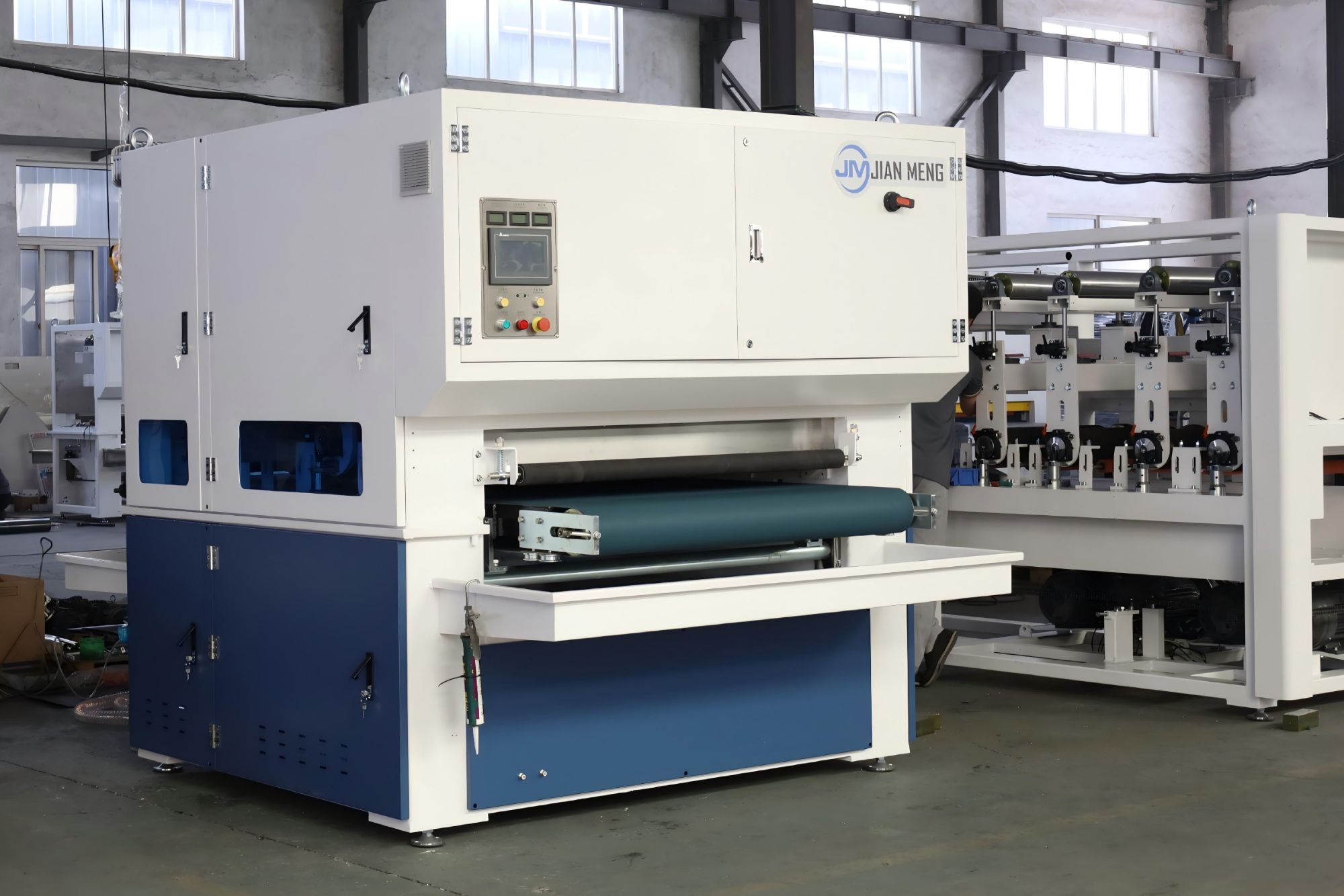
One standout innovation transforming production floors is the integration of modular, reconfigurable assembly lines. These systems allow manufacturers to quickly adapt to shifting product demands by rearranging robotic workstations and conveyor belts on the fly, slashing downtime from hours to minutes. This flexibility not only cuts idle periods but also reduces the need for expensive, custom-built equipment, making it easier to scale operations up or down as needed.
Another key advancement lies in the use of generative design algorithms, which leverage artificial intelligence to create lightweight, durable parts with minimal material waste. Unlike traditional CAD methods, these tools explore thousands of possible shapes, optimizing for factors like stress distribution and thermal performance. The result is components that perform better while consuming less raw material, directly lowering production costs and speeding up prototyping cycles.
Real-time data feedback loops have emerged as a game-changer, embedding sensors throughout machinery to monitor performance metrics like vibration, temperature, and wear. This continuous stream of information enables predictive maintenance, alerting teams to potential failures before they cause costly stoppages. By catching issues early, plants maintain smoother operations, avoid unplanned outages, and extend the lifespan of their equipment, leading to sustained efficiency gains.
Automation and Robotics Integration in Modern Deburring Systems
Modern deburring systems have increasingly embraced automation and robotics to tackle precision demands and labor challenges head-on. In traditional settings, manual deburring often introduced inconsistencies and bottlenecks, but today's factories are pivoting toward integrated solutions. Robotics, equipped with advanced sensors and adaptive programming, now handle intricate parts with remarkable repeatability—think of a robotic arm delicately smoothing edges on aerospace components or automotive gears. This shift isn't just about speed; it's about achieving micron-level accuracy that human operators might struggle to maintain over long shifts. For instance, companies are deploying collaborative robots that seamlessly interface with existing production lines, reducing downtime and enhancing throughput without requiring massive overhauls.
The core of this integration lies in smart control systems that orchestrate every movement and adjustment. Unlike earlier automated setups that followed rigid scripts, modern deburring robots leverage AI-driven algorithms to adapt in real time. They can detect variations in material hardness or part geometry, adjusting pressure and tool paths on the fly to ensure flawless finishes. This adaptability is crucial in industries like medical device manufacturing, where burr removal must be perfect to meet stringent hygiene standards. By integrating with IoT platforms, these systems also feed performance data back to central dashboards, enabling predictive maintenance and reducing unexpected stoppages. It's a holistic approach that transforms deburring from a standalone task into a connected, intelligent process within the larger manufacturing ecosystem.
Looking ahead, the fusion of robotics with other emerging technologies is setting new benchmarks. Innovations like vision systems with 3D scanning capabilities allow robots to identify and deburr complex, irregular surfaces autonomously—something previously reliant on skilled technicians. Additionally, the use of lightweight, agile robots in smaller workshops demonstrates that automation isn't exclusive to large-scale operations. This trend empowers businesses to scale up quality and consistency without proportionally increasing labor costs. Ultimately, by weaving robotics deeply into deburring workflows, manufacturers aren't just optimizing a single step; they're building more resilient, flexible, and competitive production environments ready for the demands of tomorrow.
Sustainable Practices and Eco-Friendly Innovations in Deburring
Deburring—the process of removing rough edges or burrs from metal, plastic, or other materials after machining—often involves methods that can be energy-intensive and generate waste. By adopting sustainable practices like using biodegradable coolants and recycling metal chips, manufacturers can significantly reduce their environmental footprint. These eco-conscious approaches not only align with green manufacturing standards but also improve workplace safety and operational efficiency in the long run.
Innovations in deburring are increasingly leaning toward eco-friendly technologies, such as cryogenic deburring that uses liquid nitrogen to freeze and shatter burrs, minimizing chemical use and wastewater production. Another standout method is laser deburring, which offers precise, contact-free removal with minimal material waste and energy consumption compared to traditional mechanical or thermal techniques. These advancements not only enhance product quality but also support circular economy principles by extending tool life and reducing scrap.
To integrate these sustainable practices effectively, companies are prioritizing lifecycle assessments and training programs that emphasize eco-innovation. By customizing solutions like hybrid systems combining abrasive flow machining with renewable energy sources or adopting closed-loop water systems, industries can achieve greener outcomes while maintaining competitive edges. This proactive shift not only meets regulatory demands but also resonates with consumers who value environmentally responsible production, turning deburring into a key area for sustainable growth.
Customization Options for Diverse Industrial Applications
Tailoring solutions to meet specific industrial needs opens doors to enhanced efficiency and innovation. Whether it's manufacturing, energy, or logistics, customization options allow businesses to adapt technologies and processes for unique challenges, ensuring that every component or system aligns precisely with operational goals. This flexibility helps companies stay competitive by addressing niche requirements or scaling solutions as market demands evolve.
From modular designs that enable easy upgrades to bespoke software integrations, these options empower industries to push beyond standard offerings. Imagine a factory floor where robotic arms are configured for intricate assembly tasks or a power grid optimized through adaptive monitoring systems—such customizations not only boost performance but also foster resilience in dynamic environments.
By leveraging advanced materials and smart technologies, industries can create solutions that are both cost-effective and sustainable. This approach encourages continuous improvement, allowing organizations to refine their operations based on real-time feedback and emerging trends, ultimately driving long-term success across diverse sectors.
Future Trends and Advancements in Deburring Machine Engineering
As industries push toward higher precision and faster production cycles, deburring machines are evolving with integrated smart sensors and adaptive control systems. These advancements enable real-time monitoring of surface quality, automatically adjusting parameters like speed and pressure for different materials, from delicate aerospace components to rugged automotive parts. The shift toward modular designs also allows manufacturers to customize machines for specific tasks, reducing setup times and enhancing flexibility on the factory floor.
Another key trend is the growing adoption of collaborative robots, or cobots, into deburring processes. Unlike traditional industrial robots confined to cages, these cobots work safely alongside human operators, handling repetitive or hazardous tasks while allowing for quick reprogramming. This synergy boosts productivity and reduces worker strain, particularly in sectors like medical device manufacturing where precision and adaptability are critical. Companies are increasingly investing in these robotic solutions to maintain a competitive edge in global markets.
Looking ahead, sustainability and efficiency are driving innovations such as energy-efficient motors and closed-loop coolant systems that minimize waste. Research into advanced abrasive technologies and non-contact methods, like laser deburring, promises cleaner, more consistent results with less wear on tools. These developments not only improve operational costs but also align with environmental regulations, positioning deburring machines as vital tools in the move toward greener manufacturing practices worldwide.
FAQ
Key techniques include abrasive flow machining, thermal energy methods like laser deburring, and automated robotic systems with precision sensors to handle complex geometries.
Innovations such as AI-driven process control and real-time monitoring systems have reduced cycle times by up to 30% while enhancing consistency and minimizing manual intervention.
These machines are designed to handle a wide range, from soft metals like aluminum to hard alloys such as titanium and composites, adapting techniques for each material's properties.
Safety features include automated shut-off mechanisms, enclosed work areas with dust extraction, and emergency stops, prioritizing operator protection without compromising workflow.
They often incorporate energy-efficient motors, recyclable abrasives, and systems that reduce waste and coolant usage, aligning with environmental goals and cost savings.
Customization can include tailored tooling for specific parts, integration with existing production lines, and software adjustments to meet unique industry standards like aerospace or medical device requirements.
Conclusion
Advanced deburring machine manufacturing has evolved remarkably through cutting-edge technologies that significantly enhance precision. These innovations include sophisticated laser systems and abrasive flow machining techniques that meticulously remove burrs from complex geometries, ensuring components meet stringent tolerances. By integrating these high-precision methods, manufacturers achieve superior surface finishes and reliability, reducing post-processing needs and improving part quality across industries. This focus on precision not only boosts accuracy but also minimizes waste, directly contributing to more efficient production cycles and better resource utilization.
Moreover, advancements in automation and robotics have revolutionized deburring systems, enabling fully automated processes that drastically reduce labor costs and human error. Innovative design features, such as modular components and adaptive control systems, further optimize manufacturing efficiency by allowing rapid setup and customization for diverse industrial applications. Sustainable practices, including energy-efficient motors and recyclable materials, underscore eco-friendly innovations, aligning with growing environmental standards. Looking ahead, future trends point toward greater integration of AI for predictive maintenance and smart sensors, promising continued improvements in deburring machine engineering for enhanced adaptability and performance in dynamic industrial landscapes.
Contact Us
Contact Person: Jeanie
Email: [email protected]
Tel/WhatsApp: +86 19805122954
Website: https://www.jianmeng.com