

Custom 9 ft Breathable Membrane ODM: Tailored Solutions for High-Performance Projects
2026-05-26
When it comes to high-performance construction, every detail counts—especially the materials that safeguard your building against the elements. Yet, off-the-shelf solutions often fall short, leaving gaps in protection and performance. That’s where custom 9 ft breathable membranes come in, and Jinbo is leading the charge with tailored ODM solutions designed to meet the exacting demands of modern projects. In this post, we explore how Jinbo’s innovative approach delivers the ideal balance of durability, breathability, and precision—ensuring your next build stands strong and dry from the inside out.
Why a 9 ft Breathable Membrane Changes the Game
For years, the industry standard hovered around smaller, more manageable membrane sizes. While functional, they forced repetitive seams and created countless potential failure points across large-scale installations. The shift to a 9 ft breathable membrane fundamentally alters this dynamic—you're covering more surface area with a single, unbroken sheet. This means fewer interruptions, a dramatically reduced risk of water ingress at seams, and a faster, more reliable installation that simply wasn't possible before.
Beyond the sheer reduction in seams, the wider format changes how materials interact with the structure itself. A 9 ft membrane naturally aligns with common framing and stud spacing, minimizing on-site cutting and waste. It wraps buildings in a more continuous envelope, allowing the high vapor permeability to work evenly across the façade. The result isn't just a tighter seal—it’s a smarter, more forgiving system that helps buildings dry out faster after exposure, preserving the integrity of insulation and sheathing without relying on constant maintenance.
On the ground, the difference is immediate. Crews accustomed to wrestling with multiple rolls and overlapping layers now work with a product that speeds up staging and reduces material handling. A single 9 ft sheet often eliminates entire horizontal seam runs, turning what was once a two-man chore into a straightforward application. This efficiency ripples through project timelines, cutting labor hours without compromising quality. It’s a quiet revolution in building envelope design—one that trades complexity for elegant simplicity, all while delivering a performance advantage that architects and contractors hadn’t dared to standardize until now.
Custom ODM: More Than Just a Manufacturer
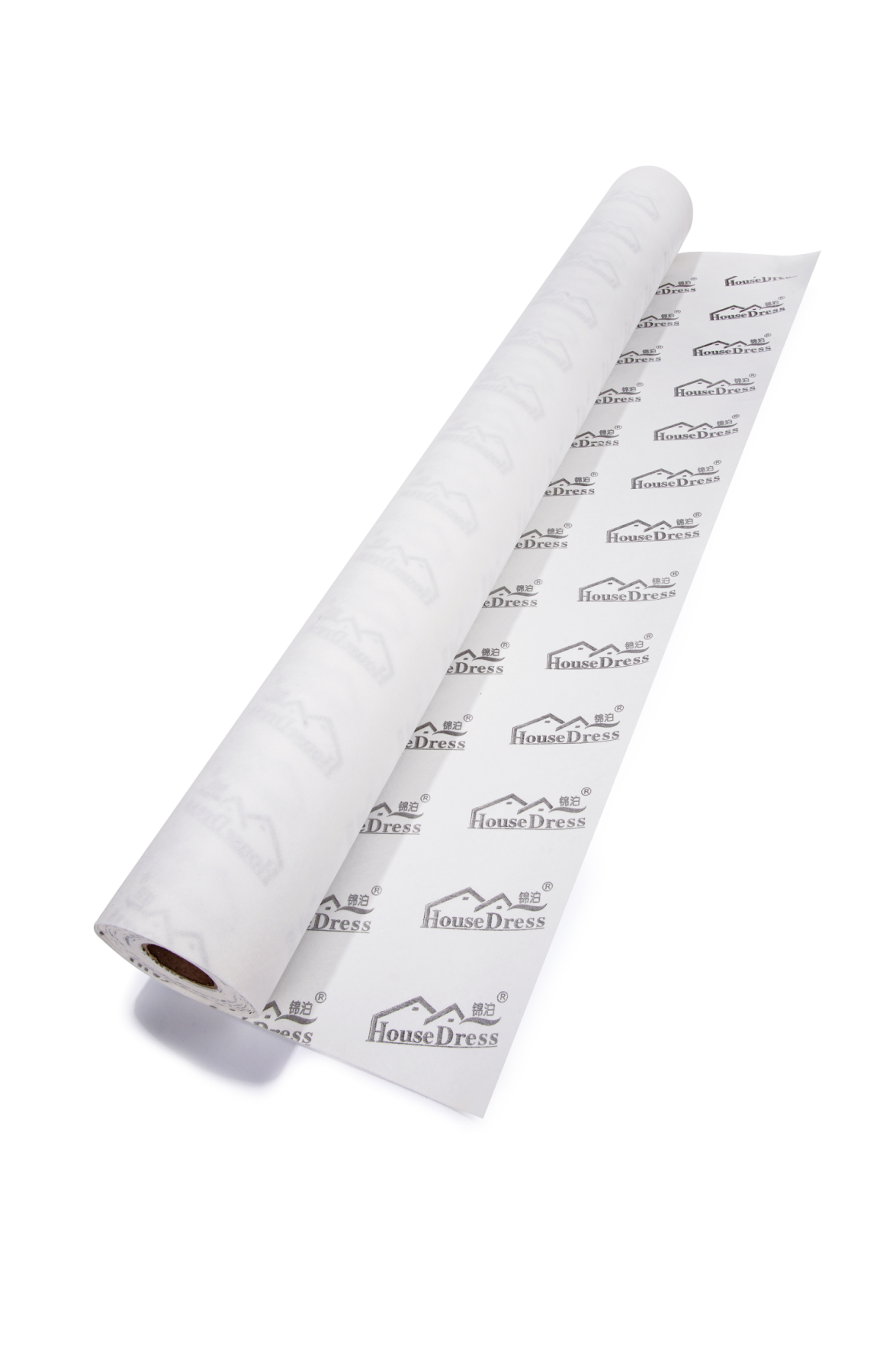
When you think of an ODM, the image that probably comes to mind is a factory that simply builds products to your specifications. But our approach goes far beyond that. We don’t just manufacture—we collaborate, innovate, and solve problems alongside you from concept to shipment. Your vision is just the starting point; we add our engineering expertise and design insights to turn good ideas into exceptional, market-ready products that truly stand out.
Our team becomes an extension of your own, offering real-time R&D support, material sourcing guidance, and production optimization that you won’t find with a standard vendor. Whether you need help refining a prototype, reducing costs without sacrificing quality, or navigating compliance in multiple markets, we’re there every step of the way. The result? A seamless partnership that consistently delivers products exceeding expectations—and a relationship that grows stronger with every project.
What truly sets us apart is our commitment to flexibility and speed. We understand that market windows are narrow and trends shift overnight, so we’ve built agile production lines and a responsive communication process that adapts to your evolving needs. From small-batch runs for testing the waters to full-scale rollouts, we prioritize your deadlines without ever compromising on the details that define your brand. It’s not just manufacturing—it’s strategic product partnership, redefined.
Tailoring Performance to Your Project’s Demands
Every project carries its own unique heartbeat—some demand raw, unrelenting speed, while others thrive on careful, measured efficiency. Recognizing this, we approach performance not as a one-size-fits-all benchmark but as a flexible canvas, shaped by the specific demands of your work. Whether you’re crunching massive datasets in real time, rendering high-fidelity visuals, or orchestrating seamless user interactions, the underlying systems should bend to your will, not the other way around. This adaptive mindset ensures that resources are never wasted on unnecessary horsepower nor starved when peak throughput becomes critical.
The secret lies in a layered architecture that allows fine-grained control over processing pipelines, memory allocation, and concurrency models. Rather than pushing a monolithic solution, we expose tunable parameters that let your team decide where to allocate energy: latency-sensitive services gain priority with dedicated thread pools, background tasks scale down to conserve overhead, and burst workloads tap into on-demand acceleration. Behind the scenes, intelligent monitoring continuously learns from usage patterns, suggesting adjustments that keep the entire system humming in its sweet spot—where performance and cost dance in equilibrium without constant manual oversight.
But true tailoring goes beyond mere technical knobs. It’s about understanding the rhythm of your development cycle and the nature of your audience. A mobile app serving millions of sporadic users needs different tuning than an internal dashboard for a dozen power analysts. We embed this philosophy into every integration point, crafting APIs and SDKs that respect your context, so that optimizing performance feels less like a chore and more like a natural extension of your design process. The result is a living system that evolves with your project, ensuring it stays nimble, responsive, and precisely aligned with what you’re building today—and what you’ll imagine tomorrow.
Material Science That Breathes Life into Structures
Imagine concrete that can heal its own cracks, or steel that senses stress and signals for help. This isn’t science fiction—it’s the quiet revolution of smart materials reshaping how we build. By embedding fibers, capsules, or even living cells into traditional construction mediums, engineers are creating structures that respond to their environment with an almost biological instinct.
The magic lies in adaptability. A bridge coated with a self-assembling polymer film can repel water and salt, fighting corrosion before it starts. Walls infused with phase-change materials absorb heat by day and release it at night, slashing energy use without a single moving part. These materials don’t just endure; they actively negotiate with their surroundings, turning static frameworks into dynamic systems.
What’s truly captivating is the shift in mindset. We’re moving from designing against nature to collaborating with it. Researchers are even exploring mycelium-based composites that grow into predetermined forms, then lie dormant until moisture triggers repair. Here, the boundary between the living and the inanimate blurs, promising a future where our buildings aren’t just shelters—they’re organisms in their own right.
Streamlined Integration for Complex Builds
Modern software builds rarely follow a simple linear path. They juggle countless dependencies, environment quirks, and platform-specific demands that can turn integration into a fragile, time-consuming ritual. Streamlined integration doesn’t just connect steps—it reshapes the entire pipeline to absorb complexity gracefully. By automating repetitive configuration, syncing toolchains across teams, and isolating volatile components, what once demanded hours of manual tweaking now runs with almost boring consistency.
The real magic happens when feedback loops tighten. Instead of waiting overnight for a full suite to finish, smart caching and incremental processes surface problems within minutes of a commit. Developers stay in flow, merge conflicts get caught early, and the dreaded “it worked on my machine” becomes a relic. This isn’t about speed for speed’s sake; it’s about keeping the build’s complexity invisible so the team can focus on the code that actually matters.
None of this works without deliberate design. A streamlined setup must flex with changing tech stacks, scale across distributed teams, and avoid becoming its own maintenance nightmare. It’s less about a single tool and more about a mindset that treats the build as a living, evolving system. When done right, complex builds stop being a bottleneck and start feeling like a background engine—quietly powerful, reliably delivering, and never getting in the way of shipping great software.
Real-World Impact: Where Custom Solutions Shine
It’s in the daily operations of a logistics company, where a custom tracking dashboard slashes delivery delays by anticipating traffic patterns that generic software can’t account for. The impact isn’t theoretical—it’s measured in hours saved and customer complaints that never happen.
Hospitals are another clear example. Off-the-shelf patient management systems often crumble under the weight of specialized workflows, but a tailored solution adapts to the way doctors and nurses actually work, not the other way around. One clinic reduced patient intake time by a third simply because fields appeared in a logical order, not a generic one.
Then there’s the boutique retailer whose inventory system now predicts seasonal demand using their own sales history—something no boxed software ever did. That real-world edge turns data into decisions, keeping shelves stocked while competitors guess.
FAQ
It's a weather-resistant barrier designed for walls and roofs, spanning 9 feet in width to cover larger areas with fewer seams. Builders rely on it for high-performance building envelopes that need to manage moisture while keeping out liquid water.
The membrane allows vapor to escape from the building interior, preventing condensation within walls that can lead to mold and rot. This keeps the structure dry and durable over time.
We tailor the membrane's dimensions, permeability ratings, and even color to match project specs. Our ODM approach means you get a product that fits your exact performance requirements, not an off-the-shelf compromise.
Yes, it's engineered to endure high winds, heavy rain, and UV exposure during construction. The material remains flexible at low temperatures and resists tearing, making it suitable for demanding climates.
Large-scale commercial builds, high-rise residential towers, and industrial facilities with strict energy codes. Also, eco-friendly projects that prioritize moisture control without sacrificing airtightness find it especially valuable.
The 9-foot width reduces horizontal overlaps, speeding up installation. It's compatible with common fastening methods, but we provide detailed guidance to ensure optimal performance and warranty compliance.
Our facility follows rigorous QC protocols, with each batch tested for vapor transmission, tensile strength, and dimensional accuracy. Third-party certifications back up our performance claims, giving you confidence in long-term results.
Absolutely. Our technical team assists with specification reviews, on-site training if needed, and troubleshooting. We see each order as the beginning of a partnership, not just a transaction.
Conclusion
When a project demands uncompromising performance and a membrane that adapts rather than dictates, a custom 9 ft breathable solution changes the entire approach. The extra width transforms installation logistics—fewer seams, less waste, and a continuous protective layer that wraps structures more efficiently. But the real difference lies in how ODM partnerships move far beyond standard manufacturing. It’s a collaborative process where your specific environmental loads, thermal dynamics, and even future maintenance are considered upfront, weaving material science into the fabric of the project itself. Engineered polymers and microporous layers are tuned at the molecular level, so the membrane actively manages moisture vapor while blocking bulk water—it breathes with the building, preventing condensation and decay without trapping humidity. This level of tailoring means the product arrives at the site pre-validated for your climate, installation method, and long-term durability targets.
Integration becomes seamless because the membrane is designed to speak the same language as your assembly sequence. Complex geometries, unusual substrate interactions, or aggressive construction schedules no longer force compromises. Custom edge details, adhesive compatibility, and even pre-applied tapes can be built into the roll, shaving days off critical paths. In the field, that tailored thinking translates into structures that stand up to punishing coastal storms, maintain airtightness in high-altitude envelopes, and preserve historical facades without altering their character. We’ve seen adaptive reuse projects where off-the-shelf products would have created more problems than they solved—here, a 9 ft width meant fewer penetrations and a monolithic air barrier that preserved the original aesthetic. That’s the impact of a membrane conceived not as a commodity, but as a dedicated component engineered for the precise demands of your high-performance project.
Contact Us
Contact Person: Miranda
Email: [email protected]
Tel/WhatsApp: +8615231299719
Website: https://www.ihousewrap.com/