

Diesel Generator Manufacturing Unveiled: Core Processes and Modern Innovations
2026-07-25
Ever wondered what it takes to build the diesel generators that power critical infrastructure, remote sites, and emergency backup systems? From precision-engineered core components to groundbreaking modern innovations, the manufacturing process is a fascinating blend of heavy industry and smart technology. At DINGBO POWER, we've refined these processes to deliver reliable, efficient power solutions that stand the test of time. In this post, we pull back the curtain on the key stages and recent advancements that are reshaping the industry—so you can see exactly what goes into every generator before it reaches your facility.
From Molten Metal to Engine Block: The Casting Journey
The transformation begins with raw metal, often aluminum or iron alloys, heated in a furnace until it reaches a molten state at temperatures exceeding 1,200 degrees Celsius. This liquid metal is carefully poured into a specially designed mold, where its fluid nature allows it to fill every intricate cavity that will define the engine's cylinders, water jackets, and mounting points. The pour must be controlled and precise—any turbulence can introduce air pockets or impurities, compromising the integrity of the final block.
As the metal cools and solidifies, it undergoes a dramatic physical change, contracting slightly as it transitions from liquid to solid. The mold, typically made of sand or metal, is designed with internal cores to create hollow passages essential for coolant flow and oil circulation. Once the casting has cooled sufficiently, the mold is broken away, revealing the rough engine block—a shape still bearing the marks of gates and risers that channeled the flow and fed the solidification.
The raw casting then enters a phase of meticulous cleanup: excess material is removed by sawing or grinding, and critical surfaces are machined to micron-level tolerances. Threads are tapped, bores are honed, and the block is tested for leaks and structural integrity. What was once a shimmering pool of molten metal is now a rigid, precise foundation capable of withstanding explosive combustion forces, marking the completion of this remarkable casting journey.
Precision Assembly: Where Components Become a Powerhouse
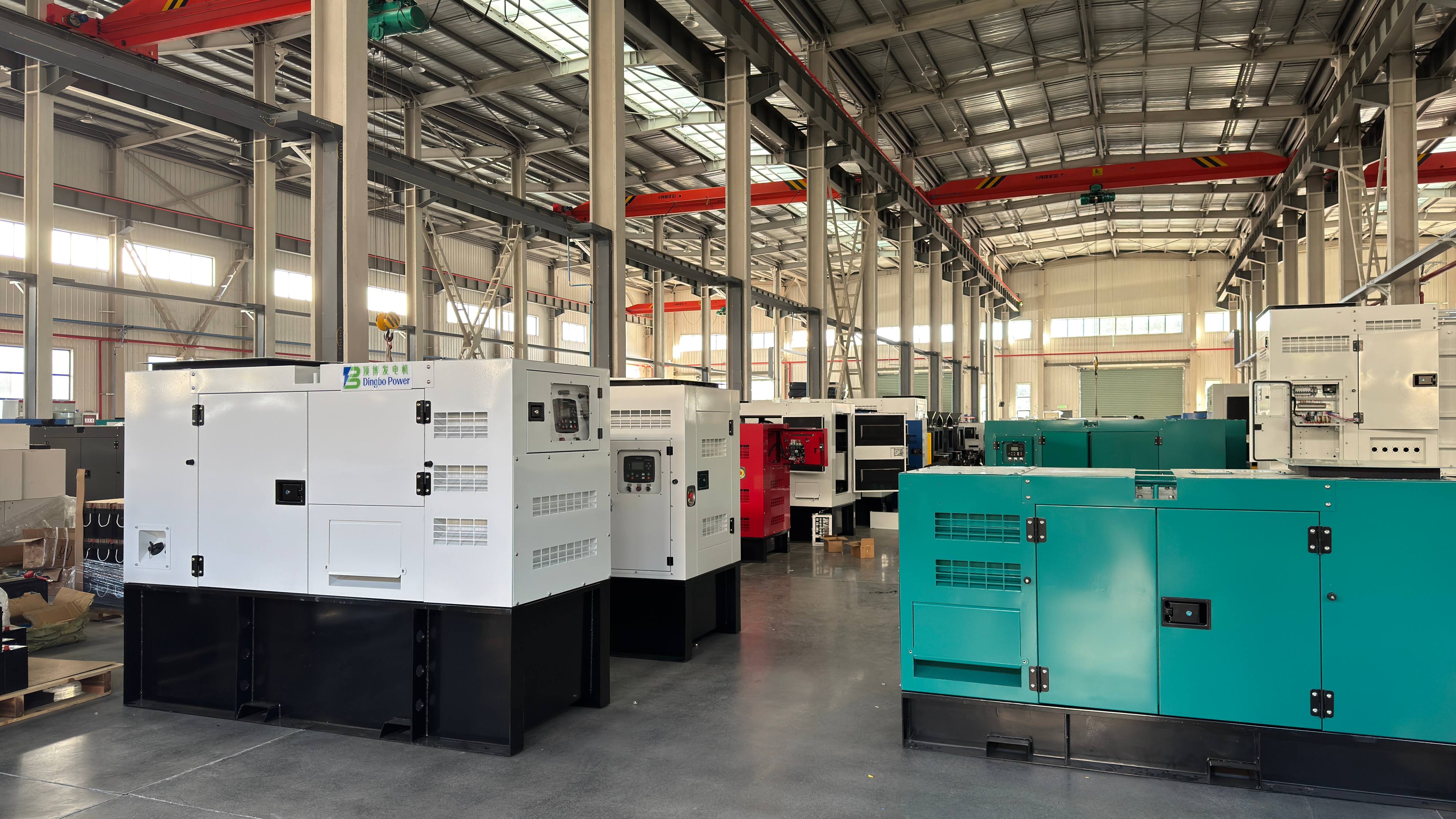
Every great machine starts as a collection of individual parts—gears, circuits, casings—each precise on its own but waiting for something more. Precision assembly is the art and science of bringing these elements together, aligning them to micron tolerances, and transforming a scattered inventory into a single, formidable unit. It’s a process where craftsmanship meets cutting-edge tooling, and where the smallest misalignment can mean the difference between flawless function and catastrophic failure. In this space, components don’t just fit; they fuse into a cohesive powerhouse, ready to outperform the sum of their specs.
The moment of assembly is rarely loud or dramatic. It happens under bright, controlled lighting, in the hands of technicians who read surfaces through microscopes and listen for the subtle clicks of perfect engagement. Each interface—whether a threaded fastener torqued to spec or a press-fit that breathes life into a static rotor—is a deliberate act. The true mastery lies not in forcing a fit but in respecting the original intent of each part’s design, preserving its integrity while integrating it into a larger purpose. That’s when a motor becomes more than a motor, and a circuit board starts behaving like a brain.
But precision assembly isn’t just a technical choreography; it’s a mindset that turns potential into performance. It acknowledges that no component achieves greatness alone. After assembly, what emerges is a system with new capabilities—thermal stability, vibration damping, signal coherence—that simply weren’t there in the loose parts. The powerhouse isn’t built from exotic materials or magic; it’s built from the refusal to accept “good enough.” Every aligned shaft and soldered joint becomes a promise of reliability, and that’s what makes the final product not just functional, but exceptional.
Winding Wonders: Crafting the Alternator with Care
The heart of any alternator lies in its stator windings, where precision meets patience. Each copper coil is laid with a deliberate rhythm, layer upon layer, ensuring that the magnetic field will later dance in perfect symmetry. There’s an unspoken dialogue between the technician and the wire—a gentle tension that can’t be too tight or too slack, just enough to honor the enamel insulation and the eventual demands of relentless rotation.
Beyond the manual dexterity, there’s a quiet science to slot fill and pattern selection. Some windings are distributed, humming with a smooth, spread-out energy; others are concentrated, packing a punch in compact bursts. The choice isn’t arbitrary—it’s a reflection of the alternator’s destiny, whether it will power a race car’s high-RPM fury or a remote cabin’s steady, low-speed reliability. Each turn is counted not just by numbers, but by a mindfulness that anticipates heat, vibration, and the slow creep of fatigue.
The final step is akin to a lullaby: the windings are softly varnished and baked, transforming loose strands into a unified, resilient whole. This isn’t merely insulation; it’s a protective embrace that guards against moisture and dust, sealing the craftsmanship inside. When the alternator finally hums to life, its steady output carries the signature of care—a whir that says, without words, that every winding was placed with purpose.
Smart Brains: Integrating Digital Controllers and Sensors
By fusing digital controllers directly with advanced sensor arrays, smart systems can process real-world signals with remarkable precision, eliminating the delays and noise that once plagued separate setups. This tight integration enables devices to react almost instantaneously to changes in temperature, motion, or pressure, making them feel less like programmed machines and more like intuitive extensions of their environment.
Beyond raw speed, the real magic lies in how these combined units learn. With each interaction, the controller refines its responses based on incoming data patterns, gradually adapting to subtle shifts that a static program would miss. Over time, the line between sensing and deciding blurs, resulting in equipment that can self-correct without human intervention—a quiet revolution in fields like robotics and climate control.
Designers are also rethinking physical layouts to support this synergy, moving away from bulky, modular boards to streamlined architectures where processing happens right at the sensor edge. This not only saves space but dramatically cuts power consumption, allowing long-term deployments in remote or portable applications. The outcome is a generation of brains that are not only smart but remarkably unassuming, embedding intelligence where it’s least expected.
Beyond Exhaust: Breakthroughs in Emission Control
Modern emission control has reached far beyond simply capturing what comes out of a tailpipe. Engineers now embed catalysts inside engine combustion chambers to break down pollutants at the source, while advanced particulate filters recover and repurpose captured carbon rather than just incinerating it. This integrated approach turns vehicle systems into self-cleaning units that operate with minimal environmental impact even under extreme conditions.
Another leap forward comes from reactive surface coatings applied to engine internals and exhaust pathways. These coatings adapt to temperature shifts, actively binding nitrogen oxides and converting them into inert gases before they can escape. By mimicking natural chemical processes at a microscale, they reduce emissions at a molecular level without requiring bulky add-on hardware or constant maintenance.
Beyond the hardware, real-time sensor networks combined with edge computing now enable engines to predict emission spikes and self-correct air-fuel mixtures millisecond by millisecond. Paired with synthetic fuels designed to burn cleaner during cold starts, these systems achieve performance that rivals electric powertrains in low tailpipe output, while the entire lifecycle emissions profile continues to narrow thanks to renewable production methods.
The Connected Generator: Remote Insights and Predictive Maintenance
Modern generators have evolved from isolated power units into intelligent, network-aware systems. By integrating IoT sensors, edge computing, and secure cloud connectivity, the connected generator streams real-time operational data—vibration, temperature, fuel levels, load patterns—directly to remote monitoring platforms. This constant data flow eliminates the need for manual inspections and allows facility managers to oversee entire fleets from a single dashboard, regardless of geographic spread.
Predictive maintenance takes this a step further by applying machine learning to the incoming data streams. Instead of reacting to breakdowns or following rigid service schedules, the system detects subtle anomalies that precede component wear. For example, a gradual increase in exhaust temperature combined with slight voltage fluctuations might signal a developing injector issue, triggering an early alert. This approach slashes unplanned downtime, extends asset lifespan, and ensures that maintenance crews arrive on-site with the right parts and procedures already scoped.
Beyond uptime, connected generators unlock new levels of energy intelligence. Historical performance data helps optimize load balancing, fuel efficiency, and warranty compliance. Fleet-wide analytics can reveal which models perform best under specific conditions, informing future procurement. When a weather alert forecasts a storm, the system can autonomously test-start units, verify fuel reserves, and notify personnel—transforming generators from passive backup devices into proactive, self-monitoring assets that anticipate needs before they become emergencies.
FAQ
The process begins with robust design and engineering, where specifications like power output and application are determined. Then, high-grade raw materials, primarily steel for the frame and copper for windings, are procured and inspected for quality.
Engine blocks are typically cast from gray iron or aluminum using sand casting or die casting. After casting, they go through precision machining to create cylinder bores, oil galleries, and mounting surfaces, followed by rigorous testing for integrity.
The alternator converts mechanical energy into electricity. Its assembly involves winding copper coils onto the stator and rotor cores, insulating them, and fitting them into the housing. Bearings and the excitation system are then installed, and the unit is balanced and tested for output consistency.
Control panels are designed with microprocessors for automated monitoring and load management. They are pre-wired to the engine and alternator, programmed with safety protocols, and often feature remote connectivity, allowing users to monitor performance via mobile apps or cloud platforms.
Modern innovations include common rail direct injection systems that optimize fuel atomization, variable-speed technology that adjusts engine RPM to load demand, and advanced exhaust gas recirculation to reduce waste. Some models also integrate hybrid systems with battery storage to minimize fuel consumption.
Through extensive quality checks: components undergo fatigue testing, engines are run under full load for hours, and generators are subjected to environmental tests like temperature extremes and vibration. Additionally, protective coatings are applied to resist corrosion, and all connections are torque-verified.
Manufacturers now prioritize reduced emissions by incorporating diesel particulate filters and selective catalytic reduction systems. Noise is minimized with acoustic enclosures and anti-vibration mounts. Many facilities also recycle waste materials and use water-based paints to lower volatile organic compound emissions.
Conclusion
Diesel generator manufacturing begins long before a single bolt is tightened, rooted in the transformation of raw metal into robust engine blocks. The casting journey starts with molten iron or aluminum being poured into precision molds, where controlled cooling ensures structural integrity and vibration resistance. Once the engine block is machined to exact tolerances, the assembly process meticulously integrates pistons, crankshafts, and fuel injection systems—each component aligned to convert diesel’s chemical energy into relentless mechanical power. Meanwhile, the alternator takes shape through carefully wound copper coils and magnetized rotors, a delicate craft that directly determines the efficiency and reliability of electrical output. These mechanical feats are increasingly guided by digital intelligence: smart controllers and embedded sensors orchestrate everything from fuel timing to load balancing, turning raw hardware into a responsive, self-regulating system.
Modern innovations reach far beyond the exhaust pipe, with breakthrough emission controls like selective catalytic reduction and advanced diesel particulate filters slashing pollutants without sacrificing performance. The connected generator leverages IoT gateways and cloud analytics to stream real-time data on temperature, fuel consumption, and wear patterns, enabling remote insights that were once impossible. Predictive maintenance algorithms learn from this data to forecast failures before they occur, scheduling service only when needed and avoiding costly downtime. From the foundry floor to the digital dashboard, today’s diesel generators embody a fusion of age-old metallurgy and cutting-edge software—quietly powering hospitals, data centers, and off-grid communities with an intelligence that keeps them one step ahead of demand.
Contact Us
Contact Person: Rita
Email: [email protected]
Tel/WhatsApp: +8613481024441
Website: https://www.dbdieselgenerator.com/