
Hard Chrome Plating Equipment Factory Tips for Choosing a Reliable Partner
2026-11-02
Every hard chrome plating equipment factory will tell you their tanks last forever and their rectifiers never fail. But spend a few months on the production floor, and you'll see a different story. Choosing the right partner isn't about flashy brochures or the lowest quote—it's about avoiding expensive downtime and plating defects that quietly eat your margins. In this guide, we'll walk through the key signs of a dependable supplier. We're Junda, and we'd rather show you how to pick a winner than watch you repeat the mistakes we've already fixed for others.
Start With the Plating Line’s Real Output, Not the Brochure
When a plating line arrives on your floor, the glossy spec sheet promises uniform thickness, tight tolerances, and cycle times that look great in a boardroom. Then you run the first real parts and discover the rectifier drifts under load, the bath temperature swings wider than the manual suggests, and the throughput number was based on a single ideal part geometry. Starting with the brochure means you are benchmarking against a fiction. Starting with the line’s actual output means logging every panel that comes off the rack for the first two weeks, measuring thickness at five points instead of one, and recording the true minutes from rack to unrack—including the time spent waiting for the hoist or fixing a contact issue.
The gap between the quoted capability and the demonstrated capability is rarely about outright lies. It is about conditions. The brochure’s 98% efficiency rating was achieved with fresh chemistry, a perfectly maintained anode basket, and a single part profile repeated for eight hours. Your line runs mixed loads, varying surface areas, and rinse water that is not quite DI because the RO membrane needs replacing. If you base staffing, scheduling, or customer quotes on the brochure, every downstream decision inherits that optimism. But if you start with what the line actually produces on a Tuesday afternoon with your real operators and your real bath age, you can plan for the true bottleneck and stop being surprised by rejected loads.
The payoff of this hard look is not lower expectations—it is a defensible baseline. Record the real output for a month, strip out the anomalies like startup scrap and maintenance stops that are not the line’s fault, and you get a number that belongs to you. That number lets you quote more accurate lead times, schedule preventive maintenance before the thickness variation drifts out of spec, and explain to management why adding a second rectifier matters more than a new color brochure. The plating line does not care what the marketing team wrote. It only knows what it deposited yesterday, and that is the only truth worth planning around.
Question Every Claim About Hardness and Wear Resistance
Hardness numbers get quoted constantly, but they only tell part of the story. A D2 tool steel at 60 HRC will chew through softer materials in a dry sliding test, yet the same steel can fail quickly in a slurry of fine sand because its large carbides fracture and pull out. Wear is a system property, not a material constant, so any claim that starts and ends with hardness deserves a closer look.
Different wear modes don't care equally about hardness. Under high-stress abrasion, a tough, work-hardening manganese steel may outperform a harder but more brittle martensitic steel. In adhesive wear, surface chemistry and lubrication matter more than the bulk hardness; in erosion, impact angle and particle velocity can flip the ranking of two alloys that look identical on a Rockwell chart.
When a supplier or datasheet claims "excellent wear resistance," ask for the test conditions. Was it a pin-on-disk test with a polished alumina ball, or a real application with dirt, vibration, and thermal cycles? If the only supporting evidence is a hardness value, the claim is too thin to act on. Wear resistance is multidimensional, and a single number cannot carry that weight.
When Power Supply Stability Becomes Your Quality Ceiling
Most design effort gets poured into the visible parts of a system: the signal chain, the processor, the precision reference. Yet a quietly degrading supply rail can undo all of that work. A few millivolts of ripple that look harmless on a bench meter turn into a persistent offset in a sensor front-end, or a random bit error in a high-speed data link. The power supply stops being a supporting component and becomes the limiting factor for the entire design.
This ceiling shows up in subtle ways. A precision amplifier might have excellent datasheet specs, but if its supply has poor line regulation or slow transient recovery, those specs never materialize on the board. Switching noise couples through parasitic capacitance, ground bounce lifts the reference point, and load steps cause momentary drops that the feedback loop cannot correct fast enough. Every downstream measurement inherits that instability, no matter how carefully the signal path was tuned.
Recognizing the ceiling requires looking beyond nominal voltage accuracy. Load the rail with realistic current steps and watch the recovery waveform. Measure ripple under different load conditions, not just at idle. Often the fix is not a more expensive supply module but a better decoupling strategy, a cleaner return path, or relocating a noisy converter away from sensitive nodes. Until that supply rail is treated as part of the signal chain, it will keep dictating how good the final output can be.
Look for a Factory That Builds for Maintenance, Not Just Assembly
A clean assembly record doesn't tell you how the line behaves at 2 a.m. when a photo eye fails. Maintenance-friendly builders run cables in accessible trays, leave room for a torque wrench around gearbox bolts, and avoid burying a $40 sensor behind a $4,000 weldment. Ask to see the service clearances marked on the layout, not just the footprint for operators. If every panel requires a ladder and a mirror, the factory optimized for assembly, not uptime.
Dig into the documentation and spares strategy before you sign. The right builder issues as-built schematics with wire numbers that match the cabinet labels, keeps a recommended spares list with lead times, and includes lubrication points on the PM schedule. They also tend to standardize fasteners and cylinder sizes so your maintenance team isn't juggling six different hex keys during a changeover. A factory that builds for maintenance will have a service engineer walk the line with your technicians and point out the wear items before they fail, not after.
The Delivery Timeline Test Most Buyers Forget to Run
Most buyers obsess over unit cost, sample quality, and payment terms, but they rarely put a supplier’s promised lead time under real scrutiny. A delivery timeline test is simple: place a modest, low-risk order and track every stage from order confirmation to dispatch to final arrival. The point isn’t just whether the package shows up—it’s whether the dates given at the quote stage hold up when actual production, packaging, and shipping pressures kick in.
Suppliers often quote their best-case scenario, not their typical performance. Without a test run, you won’t see how they handle delays, communicate changes, or prioritize your order when their schedule gets tight. A supplier who misses the first small deadline by a week will almost certainly miss a large one by a month. So before you commit to a big purchase or sign a long-term contract, give the timeline a test drive.
The insights go beyond punctuality. A clean timeline test reveals whether the supplier’s internal processes are organized, whether their freight partners are reliable, and whether they proactively flag risks. It’s one of the cheapest due diligence steps you can take, yet it’s skipped far too often because buyers assume a professional quote equals professional execution.
Why a Partner’s Past Failures Matter More Than Their Portfolio
A portfolio is a highlight reel—cherry-picked wins, flattering multiples, exits polished for the pitch deck. But a partner’s past failures are the unedited footage. They show what happened when the market turned, when a key hire quit, when a product launch fell flat. Did they burn the bridge or rebuild it? Did they quietly absorb the lesson or spin the story? These moments reveal the instinct that no IRR can capture.
Failures also expose how someone allocates blame—and capital—under pressure. A string of losses with honest post-mortems often beats a streak of wins built on borrowed luck or hidden leverage. Over time, partners who have navigated real reversals tend to ask sharper questions, hedge earlier, and recognize that a portfolio is just a snapshot, while character compounds.
FAQ
Start with their history on similar projects. Ask for references from shops that run the same type of plating line you are planning. A factory that has solved problems for others will be far more useful than one learning on your dime.
It matters more than the initial quote. Plating lines break down at inconvenient times. You need a partner that answers calls, keeps spare parts in stock, and can send a technician quickly. Ask for a written response time guarantee and test it by calling their service line before you buy.
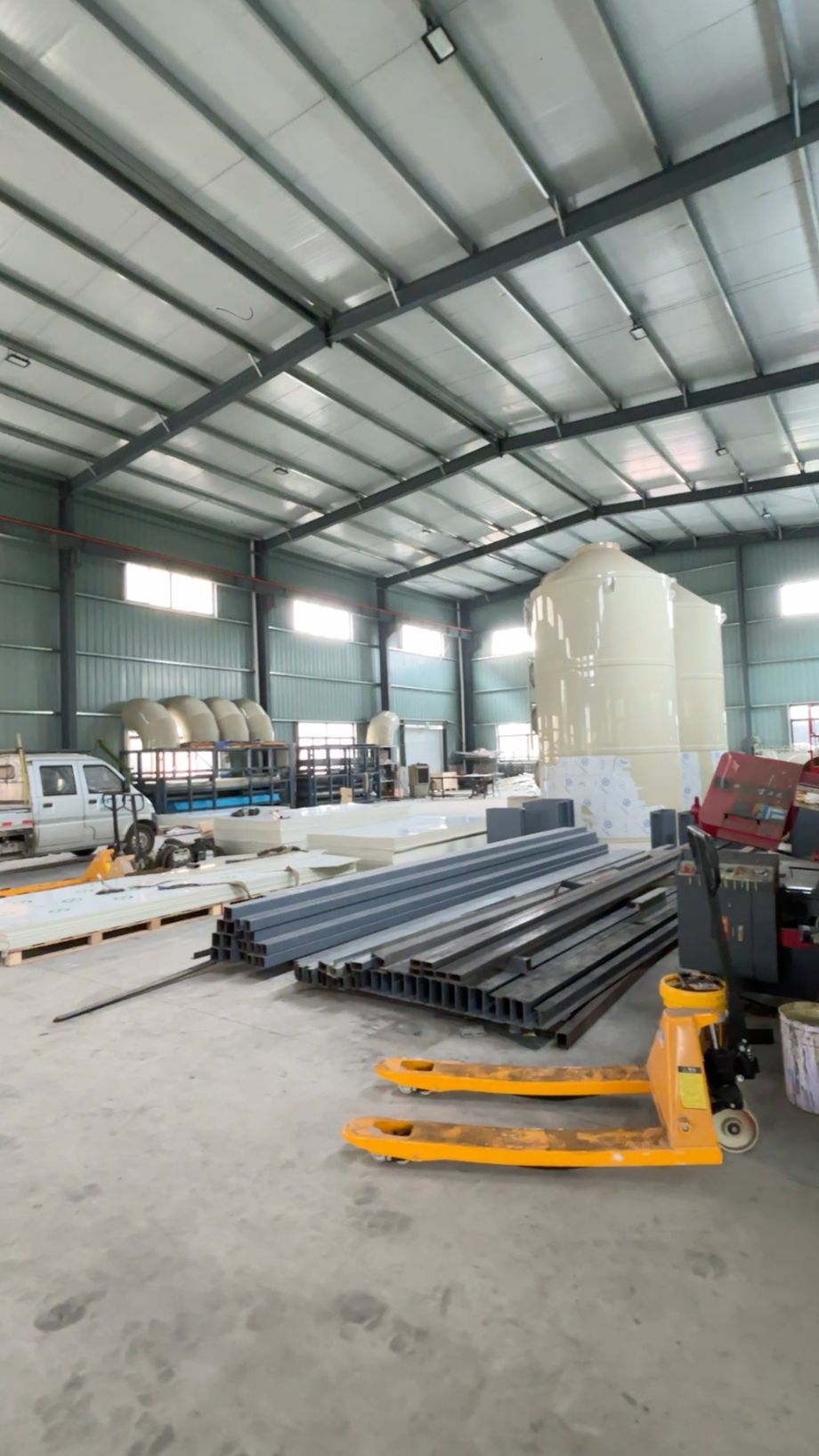
Yes, and make it thorough. Walk the production floor, look at how they organize welding and assembly, and inspect any equipment they are currently building. If they hesitate or only offer a polished showroom, treat that as a warning sign.
Every plating shop has different tank sizes, part geometries, and production volumes. A reliable factory will adapt the rectifiers, anodes, ventilation, and automation to your actual workload instead of pushing a standard package that leaves you struggling to meet quality targets.
Ask how they handle fume extraction for your specific chrome bath chemistry, what anode spacing they recommend for complex parts, and how they manage temperature control across long tanks. Vague answers mean they are guessing. Specific, experience-based answers show genuine know-how.
Do not look only at the purchase price. Ask about energy consumption of rectifiers, expected anode life, maintenance intervals, and how easily you can replace pumps or seals. A slightly higher upfront cost often pays for itself within two years if the design reduces waste and downtime.
Give them a small but challenging job first, like a single station or a retrofit. Watch how they handle delivery dates, documentation, and minor snags. That trial run will tell you more about their real working style than any sales presentation.
Conclusion
When you're sizing up a hard chrome plating equipment factory, the glossy brochure and spotless showroom won't tell you much. Start by pinning down actual output from existing lines—ask for run data, tank utilization, and shift logs, not theoretical capacity. Hardness and wear resistance claims deserve the same skepticism: request third-party test reports for specific substrates and thickness ranges, because a Rockwell number on a polished sample doesn't guarantee how the deposit behaves on your parts. Power supply stability is another silent ceiling. If rectifiers ripple more than a few percent under load, you'll fight thickness variation and burning no matter how good the chemistry is.
The best factories design for the guy who has to crawl under the plating line at 2 a.m. Look for accessible anode bars, drain paths that don't pool acid, and buswork layout that won't bake a connector. On delivery, run a test most buyers skip: ask for a written commissioning schedule with milestone hold points, then check if the factory's past clients actually hit those dates. Finally, dig into their failures, not just their portfolio. A partner who can walk you through a tank that cracked or a rectifier that failed—and explain exactly what they changed—is worth more than ten flawless case studies.
Contact Us
Contact Person: hayyr
Email: [email protected]
Tel/WhatsApp: 8613082110525
Website: https://www.jundaelectroplating.com