

OEM Empty Tube Essentials for Custom Cosmetic Packaging
2026-08-21
Imagine holding a custom lip gloss that feels as unique as the brand behind it—every detail, from the soft-touch finish to the precise applicator, starts with one overlooked hero: the empty tube. For cosmetic brands chasing that perfect first impression, OEM empty tubes aren't just containers; they're the silent storytellers of your product's identity. Yet, navigating material choices, barrier properties, and decoration techniques can quickly turn exciting into overwhelming. That's where Sanrong Packaging steps in—not as another supplier, but as a partner who sees your vision even before the first drop of formula is filled. In this guide, we'll cut through the jargon and reveal the essentials that separate a forgettable tube from a shelf-stopping icon. Ready to rethink what your packaging can do?
Why the Inner Lining Is What Actually Touches Your Product
Most people assume the outer shell is doing all the work, but that's only half the story. The inner lining is the silent operator that sits directly against your product—whether it's a laptop sleeve, a cosmetic pouch, or a food delivery bag. It's the first thing to meet your item's surface, and its texture, moisture resistance, and softness decide if that product comes out pristine or with a few new scratches and micro-abrasions.
A rough or cheaply finished lining can undo every good intention of the exterior. Think about sliding a pair of sunglasses into a hard case: if the lining has coarse fibers or exposed seams, each tiny movement grinds against the lenses. Over time, that friction leaves haze marks that are nearly impossible to polish out. The outer shell might block impact, but the lining dictates day-to-day wear from simply taking your product in and out.
That's why premium packaging and protective gear obsess over what's on the inside. A brushed microfiber, a silicone-coated weave, or a low-pile suede does more than feel nice—it actively buffers vibration, wicks away residual humidity, and prevents static buildup. The next time you unzip a case, remember that the part you can't see from the outside is the one actually holding your product's finish together.
Plastic, Aluminum, or Laminate: Matching Material to Formula Behavior
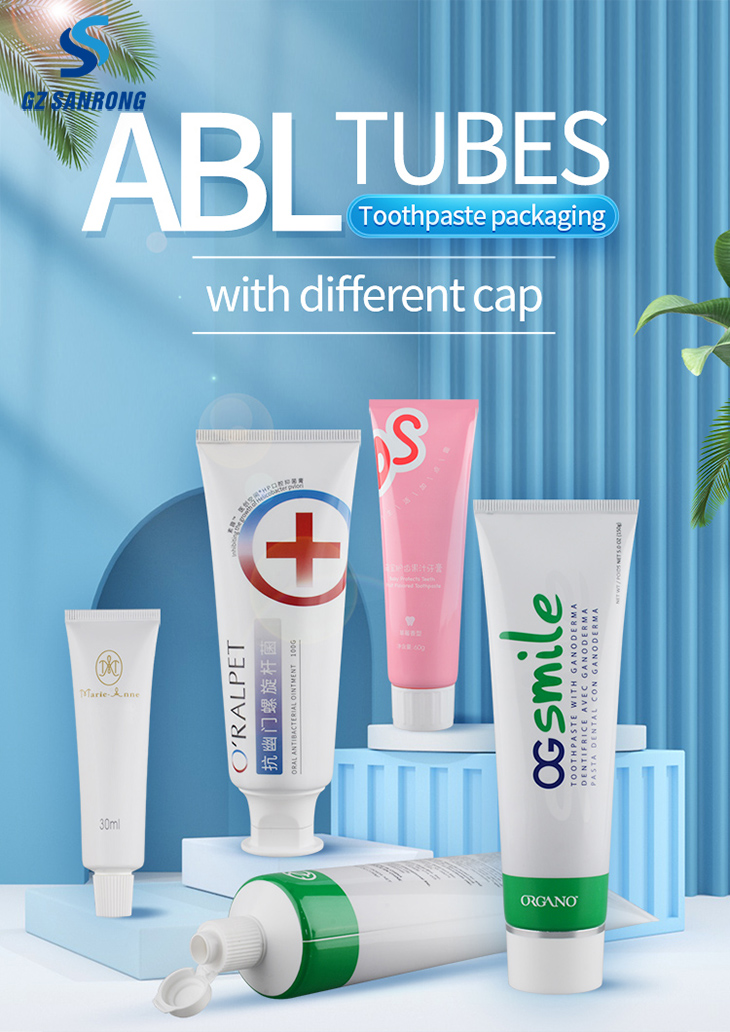
Choosing a container is rarely about looks alone. A formula’s pH, solvent system, and active load will quietly test the package wall over time. Unlined aluminum can pit and shed metal ions into acidic serums, while certain plastics turn hazy or brittle when exposed to essential oils, esters, or high levels of ethanol. Laminates offer layered defense, but the tie layers and sealants must resist your specific preservative and solvent blend—otherwise you get hidden delamination at the crimp or shoulder.
Think of plastic as a sponge with opinions. Polyethylene and polypropylene handle water-based, near-neutral lotions well, but may swell or allow fragrance loss with aggressive solvents. PET is clearer and better for alcohol-heavy toners, yet stress cracking can appear if the formula contains strong surfactants or high pH. Aluminum, when lined with an epoxy or polymer coating, excels at blocking oxygen and moisture for oil-based balms or vitamin-rich creams, but the lining must survive the formula’s acidity and any abrasive particles. Laminates—especially foil-based tubes—blend plastic’s squeezability and aluminum’s barrier, but the inner sealing layer is the weak point if the formula has high salt content or aggressive emollients.
The practical route is a short compatibility trial. Fill sample containers, store them at 40–45°C for 4–8 weeks, and watch for paneling, discoloration, weight loss, or pH drift. A vitamin C serum at pH 3.2 will likely corrode bare aluminum within a month, but a PP/EVOH laminate or an epoxy-lined aluminum tube will hold it steady. An anhydrous balm with 15% tea tree oil may soften LDPE, while a foil laminate with a nitrile-based sealant stays intact. Match the material to the formula’s worst behavior—not its best-case shelf shot—and you avoid returns, rancidity, and cracked caps later.
Shoulder Geometry and How It Affects Your Filling Speed
The shoulder profile isn't just about looks; it directly shapes how incoming liquid redirects from the narrow neck into the wider body. A steep, sharply angled shoulder forces the stream to slam against the wall and pool, creating backpressure that slows the fill. A gentler, more gradual taper lets product slide down with less turbulence, keeping the nozzle open longer and the cycle shorter.
Air displacement also hinges on this geometry. As liquid enters, trapped air must escape upward around the incoming stream. A high, sloping shoulder channels bubbles more efficiently toward the neck vent, while a flat or abrupt shoulder traps pockets that cause gurgling and intermittent flow. That interruption forces fillers to pause or reduce speed to avoid overflow.
Even small changes in the radius where the shoulder meets the sidewall matter. A tighter fillet concentrates stress and can create a vena contracta effect, narrowing the effective flow path and increasing fill time. Designers who prioritize a smooth, continuous curve from neck to body consistently see faster line speeds without touching pump settings.
Printing That Keeps Its Color After a Hundred Squeezes
Most printed packaging starts to crack or fade the moment a tube gets a few hard presses. This one doesn’t. The ink is formulated to flex with the substrate, so the graphic stays intact even when the container is mashed, rolled, and squeezed from the bottom a hundred times over.
We ran a simple test: fill a standard laminate tube, print a dense, colorful design, then squeeze it repeatedly by hand and with a mechanical gripper. After the hundredth compression, the text remained readable and the color shift was barely measurable. No flaking along the crease lines, no ghosting around the cap area.
That kind of resilience comes from choosing the right ink system and curing it properly, not from adding a thick protective layer that makes the package stiff. The result is a print that moves with the material, so the brand image looks fresh from the first use to the last drop.
Cap and Thread Design: The Twist Test Most Brands Ignore
Closure suppliers chase liner compression and drop tests, but the twist test remains the industry's quiet blind spot. A ten-dollar torque meter can tell you more about user experience than a hundred leak-down checks. When you measure breakaway torque and removal torque across a batch, you often see variations of thirty percent or more, even from the same mold. That inconsistency comes from tiny differences in thread finish, gate vestige, or cooling rate, and it translates directly into "hard to open" complaints that never get traced back to the cap.
Cycling a cap fifty times on the same finish is where the real story emerges. Thread peaks on polypropylene deform microscopically after repeated twisting, and the removal torque can drift upward until the cap binds. On the flip side, caps with too shallow a thread engagement will loosen during transit and arrive half-off. If you plot torque against cycle count, the curve should stay flat for at least twenty cycles. Most caps fail that simple benchmark, yet brands ship them anyway because nobody checked.
Temperature makes the twist test even more unforgiving. A closure that feels buttery at 22°C can seize up after refrigeration because the polymer shrinks more than the glass or PET finish. Hot-filled products, on the other hand, may develop a sticky thread surface as additives migrate under heat. You can’t judge thread design from a single ambient reading. You need torque values at 4°C, 22°C, and 40°C, and you need to watch for plateauing or spikes that signal a redesign is overdue.
Why a Pre-Production Sample Is Cheaper Than a Recall
Plenty of brands still view a pre-production sample as an optional step, something to skip when timelines get tight. That logic falls apart the moment you compare actual numbers. A sample typically costs a few hundred dollars and maybe two weeks of waiting. A recall, by contrast, can burn through millions in logistics, regulatory fines, legal fees, and lost inventory. Add in the long-term damage to your reputation and customer trust, and the true cost of a recall becomes almost impossible to measure.
The real advantage of a pre-production sample is that it catches problems while they’re still cheap to fix. A bad seam, an off-color dye, a zipper that snags—each one can be corrected on a single unit before you commit to thousands of identical pieces. Once mass production is underway and products are already shipped, those small defects turn into returns, replacements, or a full-blown recall. Compared to that, a sample isn’t an expense; it’s the cheapest form of risk control you can buy.
FAQ
Look for a supplier that asks about your formula's pH, viscosity, and fragrance before quoting. Reliable partners will recommend specific barrier layers or cap liners instead of pushing whatever stock they have. Check whether they provide samples with your actual product inside, not just empty tubes.
Laminated tubes with an EVOH or aluminum barrier layer are the safest bet for oxygen-sensitive actives. Polyethylene alone lets too much air through over time. If you want a glossy look and high chemical resistance, consider a co-extruded tube with an inner layer of LLDPE and an outer layer of HDPE.
You can change the shoulder shape, cap style, orifice size, and even the tube's tactile feel. Matte soft-touch finishes, glossy spot UV, metallic hot stamping, and tinted translucent bodies all go beyond standard flexographic printing. Some manufacturers also offer custom applicator tips for sensitive areas.
Eye creams and lip treatments often work best in 3-10ml tubes with narrow orifice tips. Facial serums and moisturizers usually sit between 15-50ml, while body lotions and hair masks can go from 75ml up to 200ml. Choosing a diameter that fits comfortably in one hand matters as much as the fill volume.
Yes, but the recycled resin needs to be carefully sourced. PCR polyethylene can slightly mute color brightness and may show tiny specks, which some brands turn into a design feature. Ask for a pilot batch first, because the regrind ratio affects tube flexibility and sealing strength.
For preservative-free creams or oil-based serums, specify an aluminum barrier laminate or at least an EVOH layer with a thickness above 20 microns. Also request a tight-sealing flip-top or airless pump cap. Without that, water loss and microbial growth can ruin the product before the consumer finishes it.
After artwork approval, expect 3-5 weeks for standard printed tubes and 5-8 weeks if you need custom molds for caps or applicators. Shipping from overseas can add 2-4 weeks by sea. Rush options exist, but they often limit your choices to stock tubes with simple one-color printing.
Many brands underestimate how much the formula can shrink or expand with temperature changes, leading to cracked shoulders or bulging tubes. Others forget to test the tube with their actual closure torque. Always run a stability test with the filled product inside the final tube-crimp combination before committing to a full production run.
Conclusion
When you're sourcing empty tubes for a cosmetic line, the surface details matter less than what's actually inside. The inner lining is the only part that touches your formula, so a lining that reacts poorly with acidic serums or oil-based creams can ruin the entire batch before it ever reaches a customer. Moving outward, the tube body itself — whether plastic, aluminum, or laminate — has to match the product's chemical behavior. Plastic offers squeezeability but may allow oxygen ingress; aluminum provides a strong barrier yet can crack with repeated flexing; laminate blends both but costs more upfront. Then there's the shoulder geometry, which most brands never consider until filling slows to a crawl. A narrow or sharply angled shoulder traps product and forces air pockets, while a wider, smoother shoulder lets the filling nozzle seat properly and keeps line speed consistent.
Printing is another quiet failure point. Standard inks can fade or flake after a few dozen squeezes, especially with high-ethanol or oily formulas seeping through micro-abrasions. Durable, abrasion-resistant printing keeps the label legible through daily use without looking cheap. Cap and thread design gets ignored until customers complain about leaks or cracked necks. The right thread pitch and sealing surface must survive repeated opening and closing without cross-threading, and the torque needed to open should feel firm but not frustrating. Finally, ordering a pre-production sample is far less expensive than discovering a lining incompatibility, a weak shoulder weld, or a leaking cap after you've already filled ten thousand units. A single sample run lets you test the full assembly with your actual formula and real-world squeeze cycles, catching failures before they become recalls.
Contact Us
Contact Person: Alex Wu
Email: [email protected]
Tel/WhatsApp: 86-20-37965868
Website: https://www.gzsanrong.com/en.html