

Second Hand Loaders Supplier: Expert Tips for Affordable Heavy Machinery
2026-06-11
Finding reliable second-hand loaders doesn’t have to drain your budget—if you know where to look. As a trusted name in affordable heavy machinery, JILIANG CHI knows that smart buyers don’t just search for equipment; they search for lasting value. In this guide, we’ll share expert tips to help you avoid common pitfalls and secure a loader that works as hard as you do. Whether you're expanding your fleet or tackling a one-off project, the right choice starts with the right insights.
Why Used Wheel Loaders Outshine New Models on Tight Budgets
Buying a used wheel loader immediately frees up cash that would otherwise be tied up in a depreciating asset. On a tight budget, that initial cost difference isn't just a number on paper—it's the breathing room to cover fuel, maintenance, or even another piece of equipment without stretching credit lines thin.
New machines lose value the moment they leave the lot, but a well-kept used loader has already taken that hit. You're paying closer to its real workhorse value rather than a showroom premium, which means your investment holds steadier over time and doesn't torpedo your resale plans down the road.
Let's not forget that today's used models often have years of reliable service left, especially if you choose one with a solid maintenance record. Many contractors find that a pre-owned wheel loader handles daily tasks just as capably as the latest release, without the headache of financing a six-figure machine that does the same job.
Hidden Gems: What to Inspect Before Buying a Second-Hand Loader
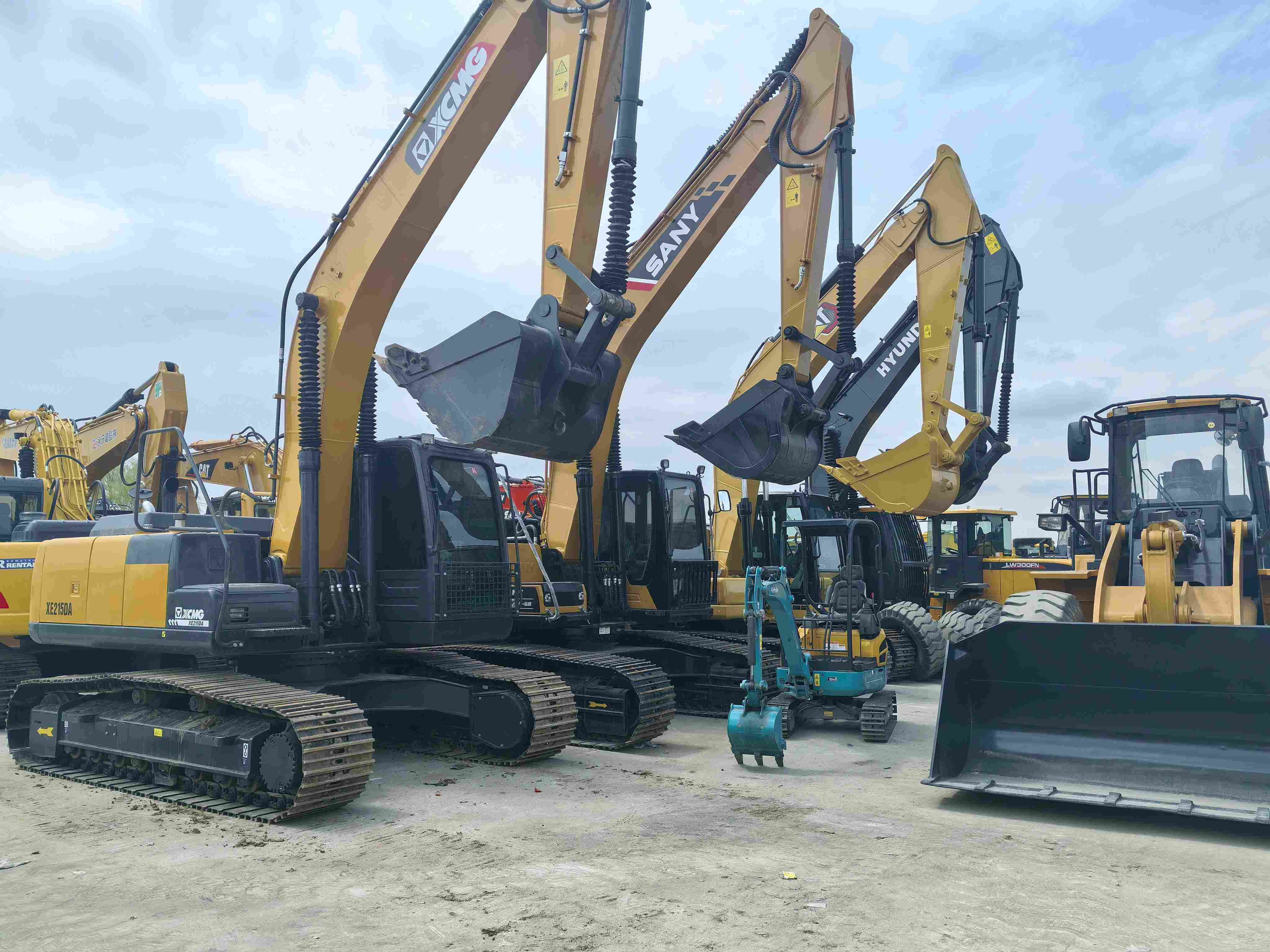
Beyond the obvious wear on tires and the engine rumble, a second-hand loader's real condition hides in the hydraulic system. Pay close attention to how the boom and bucket respond under load—jerky movements or a sluggish lift often point to pump fatigue or internal leakage that won't trigger a dashboard warning. Run the machine until it reaches operating temperature, then cycle every function while listening for groaning or whining sounds that suggest contamination or cavitation damage, repairs for which can eclipse the purchase price.
The chassis and articulation points tell a silent story of past abuse. Look for hairline cracks around the center hinge and loader tower mounts, especially where paint overspray might conceal fresh welds. Use a flashlight inside the frame rails and cross members to spot rust blooms or metal deformation from heavy impacts. A loader that worked in demolition or quarry settings often carries structural stress that no pre-sale respray can erase, and these weak points rarely surface without deliberate prying.
Don't overlook the cab as a diagnostic window. Worn pedal pads on the brake and throttle hint at overall duty cycles, but the real gem is the state of switchgear and display screens. Flickering gauges or unlabeled toggle switches betray electrical gremlins that can strand you on-site. Check each auxiliary hydraulic circuit by engaging any attachments the seller has handy—slow response or excessive heat in the valve block suggests past neglect of oil cooling or filtration, cheap fixes now that become expensive once they cascade into full system failure.
The Smart Buyer’s Playbook for Negotiating with Loader Dealers
Most folks walk into a loader dealer believing the sticker price is the final word. That instinct leaves money on the table every single time. Think beyond the machine itself—dealers make their real margin on financing packages, extended warranties, and service contracts. If you present yourself as someone who'll bring the loader back for every scheduled maintenance visit, you suddenly become more valuable than the buyer who's just hunting for the lowest cash number. A simple shift in how you frame your long-term loyalty can soften the sales floor faster than any hardball tactic.
Timing your approach is half the battle, and it's something barely anyone exploits properly. Dealerships operate on quarterly and annual sales targets that often have aggressive bonus structures tied to them. Walking in during the final week of December or the last days of a slow fiscal quarter puts you in a position where a manager might greenlight a deal just to hit a volume incentive. I've seen buyers save thousands simply by showing up when the sales team is hungry to close one more unit. Call around lightly a few weeks beforehand to gauge inventory levels—if a yard is stuffed with last year's models still sporting plastic on the seats, you've got even more leverage.
Finally, never treat negotiations as a single-dealer affair. Arm yourself with actual written quotes from competing brands, not just verbal ballpark figures. When you can slide a rival offer across the desk that includes comparable specs and a lower delivery fee, the tone changes instantly. And if the numbers don't move enough, stand up and politely head for the door. Loaders aren't rare collectibles—they're work tools, and there's always another dealer down the road who'd like to see you drive off their lot with a fresh piece of iron. That willingness to walk is your strongest card; most buyers fold it before the real game even starts.
Maintenance Secrets That Keep Aging Loaders Running Like New
Over the years, the real secret to keeping loaders in top shape isn't a single magic fix—it's a rhythm of small, consistent habits that compound over time. Guys who've been around machines forever tend to check fluids not by the clock, but by feel. They'll pop the hood first thing, even before a coffee, just to see if anything looks, smells, or sounds off. This intuitive routine spots leaks, loose belts, or early wear before they snowball into expensive downtime. It's that daily five-minute walk-around that separates a tired machine from one that still digs with authority.
Another overlooked trick is paying attention to the little things that factory manuals gloss over. Greasing every zerko—especially the ones hidden under the boom or tucked behind the linkage—prevents that dry-metal groan that spells trouble. Smart operators also know when to ignore the book: swapping hydraulic filters a hair earlier than scheduled, especially after a brutal stint in sandy soil, keeps contamination from quietly eating away at pumps. And don't underestimate the value of cleaning out radiators and coolers with compressed air, not just a hose. Dust and chaff packed in there choke efficiency and force the engine to work harder than it should.
Beneath the surface, electrical gremlins are often what age a loader before its time. Battlers worth their salt will protect connections with dielectric grease, not just hope for the best. They'll also cycle through every switch and joystick function at the end of the week to catch intermittent faults before they strand you mid-task. Pair that with storing the machine under cover—even a simple lean-to—and you shield sensitive components from UV damage and moisture. These aren't high-tech hacks; they're old-school habits that keep aging loaders feeling surprisingly tight and responsive, job after job.
Red Flags You Can’t Ignore in a Pre-Owned Heavy Machine
When inspecting a pre-owned heavy machine, there are certain warning signs that you simply cannot overlook. One of the most critical is irregular maintenance records. If the logbook is missing or shows long gaps between services, it suggests the previous owner cut corners on upkeep. This can lead to hidden mechanical issues that will surface only after you’ve made the investment.
Another major red flag is visible weld repairs or cracks on the frame or boom. While some touch-up welding can be routine, extensive repairs often point to past overloading, accidents, or structural fatigue. Run your hand along the main chassis and look for paint mismatches or rough grinding marks—these are signs of a machine that has been pushed beyond its limits.
Finally, pay close attention to how the machine starts and idles. Excessive smoke, odd engine knocking, or hydraulic whines are indicators of deeper trouble. Test every function under load if possible, and don’t hesitate to walk away if the seller is reluctant to let you perform a thorough exam. Your due diligence now will save you from costly downtime later.
Financing Hacks to Secure Your Ideal Loader Without Breaking the Bank
Getting your hands on the right loader often feels like a stretch, but a few lesser-known financing routes can bring it within reach. Start by tracking manufacturer promo cycles—many run deep discounts or 0% interest windows just before new model releases. Pair that with a flexible down payment plan, and you’ll dodge the upfront cash crunch while locking in a machine that fits your workload exactly.
Equipment leasing with a buyout clause is another smart play that flies under the radar. Instead of a straight purchase, structure a lease that lets you apply a chunk of your payments toward ownership after a year or two. This keeps monthly costs low and gives you an exit ramp if the loader doesn’t pan out, all without burning through your credit line.
Don’t overlook smaller, community-focused lenders or credit unions. They often beat big-bank rates for heavy equipment loans, especially if you bring a solid maintenance record or a steady contract pipeline. A quick chat with a local rep can unlock pre-approval terms that make walking onto the lot with a firm budget feel like a done deal.
FAQ
Inspect the loader’s service history and hour meter. A well-documented maintenance record often means the machine was cared for, while unusually low hours on an older unit can be a red flag.
Look for suppliers with a solid reputation in the heavy equipment community. Ask local contractors for referrals, visit the supplier’s facility if possible, and don’t hesitate to request references from past buyers.
Pay close attention to the loader’s pins, bushings, and hydraulic cylinders. Excessive play or leaks can hint at costly repairs down the line. Also check the bucket edge and tires or tracks for uneven wear.
Dealers often provide a limited warranty or return policy, which adds a layer of protection. Private sellers might offer lower prices, but you’ll need to be more thorough with your own checks.
You’ll want the original purchase invoice, service logs, and any recent inspection reports. Make sure the equipment identification number matches across all documents to avoid stolen machinery issues.
Factor in transportation, insurance, and potential immediate maintenance. Have a mechanic do a pre-purchase evaluation, and set aside around 10-15% of the purchase price for unexpected fixes.
Absolutely. Use your inspection findings as leverage. Point out worn parts or upcoming service needs, and be ready to walk away if the numbers don’t make sense. Cash-ready buyers often get the best deals.
Conclusion
Opting for a used wheel loader can be a game-changer when your budget is tight but job demands remain high. Unlike new models that depreciate the moment they leave the yard, a well-maintained second-hand loader often delivers comparable performance at a fraction of the cost. The key is knowing what to look for—hidden gems exist, but they require a sharp eye. Begin by inspecting the engine hours, hydraulic systems, and undercarriage wear, as these can reveal how hard the machine has been worked. Don’t overlook the loader’s service history; a comprehensive record often separates a reliable workhorse from a money pit. When you’ve found a promising candidate, negotiation becomes an art. Approach dealers with market research in hand, be ready to walk away, and remember that cash offers or flexible timing can tilt the deal in your favor.
Once you’ve secured your loader, longevity depends on maintenance smarts. Routinely check fluids, grease pivot points, and keep filters clean—small habits that prevent major breakdowns. Older machines respond well to proactive care, and many can run like new with consistent attention. Yet, even the best-maintained equipment has its limits. Watch for red flags such as uneven tire wear, excessive smoke, or strange noises during operation; these often signal deeper issues that can escalate repair costs. If a seller hesitates to let you test the machine under load or is vague about past accidents, consider it a warning. Financing doesn’t have to break the bank either. Look beyond traditional loans—equipment leasing or working with suppliers who offer in-house payment plans can spread the burden. By blending thorough inspection, shrewd negotiation, and ongoing care, a second-hand loader becomes a smart, affordable asset for your fleet.
Contact Us
Contact Person: Sally Xiao
Email: [email protected]
Tel/WhatsApp: 086-18221477398
Website: http://www.shjiliangchi.com/