

Solar Agriculture Mounting System Suppliers in China: Top 10 List
2026-11-02
China has firmly established itself as the global hub for solar mounting systems, and the agricultural sector is no exception. With the rise of agrivoltaics, choosing the right supplier can make or break your project’s efficiency and longevity. In this list, we spotlight the top 10 solar agriculture mounting system suppliers in China, each bringing unique strengths to the table. Among them, Egret Solar stands out for its innovative designs tailored to diverse farm environments. Whether you're planning a small greenhouse array or a large-scale solar farm, this guide will help you navigate the crowded market and find a partner that truly understands the intersection of agriculture and solar energy.
What the Leading Chinese Suppliers Don't Tell You About Agrivoltaic Mounts
Most buyers assume that a standard ground-mount structure can simply be lifted a few meters higher to accommodate crops, but that's rarely how it works in practice. The real challenge isn't just elevation—it's the way torque, wind uplift, and uneven soil settlement behave when panels sit above a living, breathing field. Leading Chinese manufacturers often ship designs that look solid on paper, yet they quietly omit the need for custom foundation depths or the extra bracing required once you add drip lines, tractor clearances, and seasonal pruning access.
Another thing that rarely shows up in the sales brochure is the galvanization mismatch. A standard 60-micron coating might survive a rooftop or a barren solar farm, but in an agrivoltaic setup, you're dealing with constant humidity from irrigation, fertilizer drift, and animal waste. That combination eats through steel far faster than any accelerated lab test suggests. Some suppliers will happily sell you the same mount they've used for desert projects, never mentioning that your tomato greenhouse or berry field will see corrosion bloom within three years unless you specify a heavier coating or switch to a more resistant alloy.
Then there's the shadow-tolerance question. The leading factories can give you row spacing, tilt angle, and even a light simulation chart, but they won't tell you that the real yield loss for shade-loving crops like lettuce or herbs is often much lower than the software predicts—and for sun-hungry crops like corn, it's much higher. The missing variable is microclimate: panels change wind speed and soil temperature, which shifts growth patterns in ways no one talks about until you're standing in a field with a frustrated agronomist. If a supplier doesn't ask about your specific crop rotation and irrigation schedule before quoting a mount, you're probably getting a one-size-fits-all structure with hidden compromises.
How to Filter Out Pretenders in China's Solar Farm Mounting Market
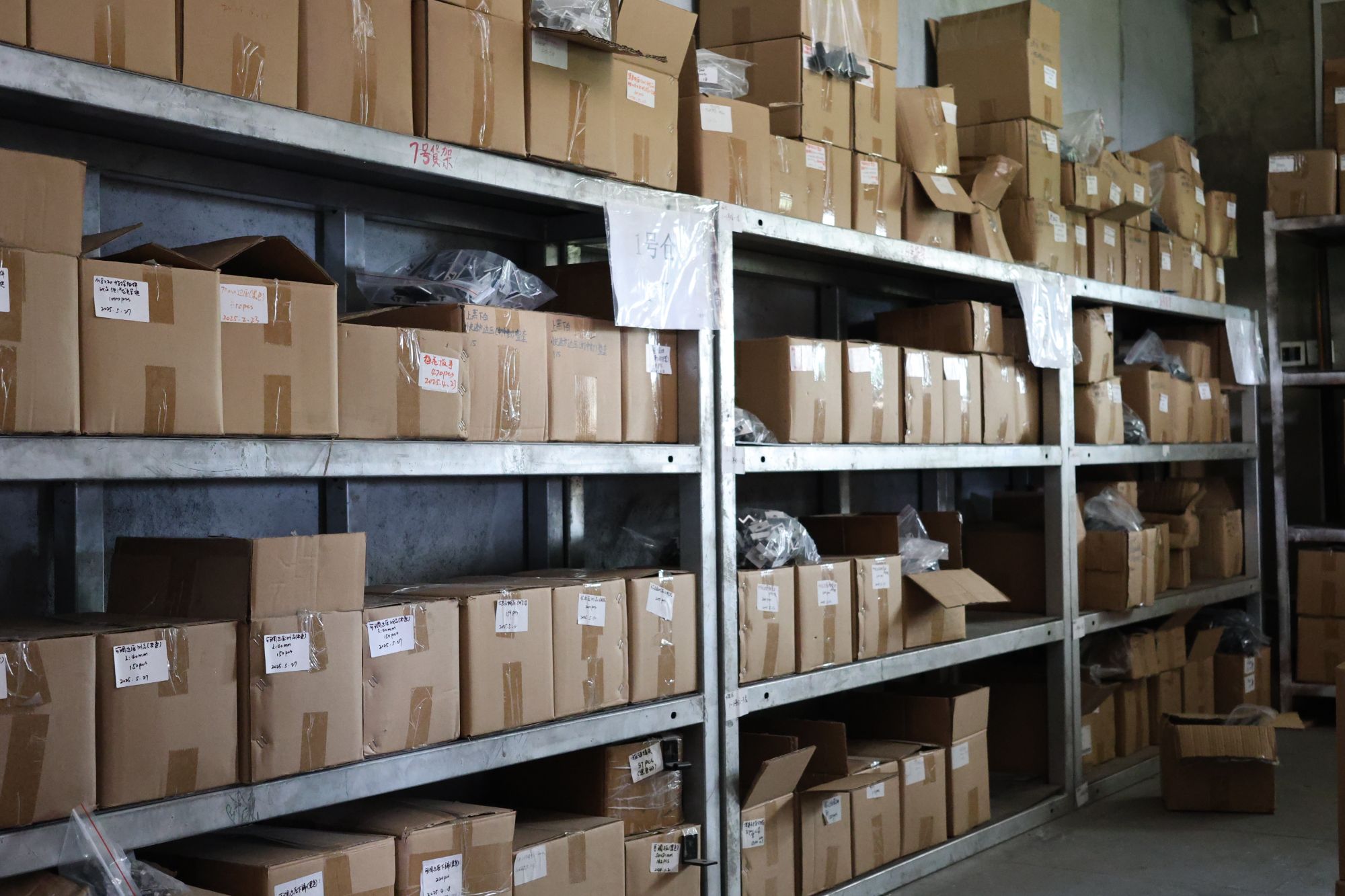
Start by demanding proof of actual factory ownership, not just a trading license. Many so-called manufacturers in China's solar mounting sector are middlemen renting a shared office and a borrowed production line. Ask for a live video walkthrough of their extrusion, roll forming, and stamping areas, with the current date visible. Check whether the equipment on the floor matches the capacity they claim. If they hesitate to show raw material storage or welding stations, move on.
Third-party audits matter more than certificates. ISO and CE documents are easy to buy from brokers, but a surprise on-site inspection by an independent engineering firm will expose thin walls, weak galvanizing, and recycled steel that never made it into brochures. Request a batch sample from the actual production run—not a pre-polished display unit—and test it for coating thickness, hole alignment, and torque resistance. A pretender will stall; a real factory will ship the sample within days.
Finally, pressure-test their project references. Ask for contact details of three completed solar farms using their mounting systems, then call the site managers. Pretenders usually provide generic portfolio photos stolen from competitors or name projects where they only supplied a few bolts. If the reference list includes well-known EPCs or developers, verify by checking tender announcements and public interconnection records. A factory that has survived multiple grid-connected projects has no reason to hide the evidence.
Field-Tested Lessons from Crop-Friendly Solar Installations
Raising panel height beyond the minimum engineering spec turned out to be one of the simplest ways to keep both crops and equipment happy. On several working sites, lower arrays trapped humidity and made the rows beneath them feel swampy by mid-morning, while panels set a few feet higher allowed enough air movement for lettuce and chard to stay crisp. The extra clearance also meant a tractor could pass through without taking off a corner of a panel, which saved more than one repair call.
Soil under the panels does not take care of itself. Early installations assumed shade would reduce evaporation and improve moisture, but runoff from panel edges often concentrated in narrow strips, compacting the ground and washing away topsoil. Growers who dug shallow infiltration trenches or planted deep-rooted cover crops between rows saw better water absorption and less crusting. The best sites treat the ground beneath the array as active farmland, not as a buffer zone.
The installations with the fewest headaches were usually the ones where solar developers and farmers sat down before the first post was driven. Small layout shifts—matching panel rows to existing irrigation lines, leaving headlands wide enough for a harvester, or orienting panels to avoid shading a high-value crop during its critical growth window—made a bigger difference than any high-tech gadget. Those conversations also set expectations for maintenance access, so crews could service wiring without trampling a bed of young carrots.
The Materials Race: Galvanized Steel, Aluminum, or Something New?
Galvanized steel still holds a lot of ground in body panels and structural parts, mostly because its cost per part is hard to beat and the zinc coating does a decent job keeping rust at bay. Engineers know exactly how it behaves in stamping, welding, and crash tests, which means fewer surprises on the production line. The downside is weight, and that penalty shows up directly in fuel consumption or battery range.
Aluminum gets pushed hard whenever cutting mass becomes the top priority, since it can drop hundreds of pounds from a vehicle or frame without sacrificing much stiffness. But that lightweight advantage comes with higher material prices, a bigger carbon footprint from smelting, and joining methods that often require rivets or adhesives instead of conventional spot welding. Repair shops also charge more for aluminum work, which makes ownership costs less predictable.
Then there are the wildcards: advanced high-strength steels, magnesium alloys, and carbon fiber composites each promise a better balance of weight and strength, yet none has broken through at scale. Magnesium is brittle and prone to corrosion, carbon fiber remains too slow and expensive for high-volume lines, and third-generation steels still need new tooling and heat treatment. What is emerging in practice is less a single winner than a mix of materials placed where they earn their keep, with galvanized steel and aluminum doing the heavy lifting and newer options filling specific roles.
Cost vs. Longevity: Where Smart Buyers Actually Save
Most price tags only tell half the story. A $40 pair of work boots that falls apart in eight months costs more per year than a $160 pair that lasts five years, yet the cheaper option keeps flying off shelves because the upfront number feels safer. The real savings show up when you stop comparing purchase prices and start comparing cost per use—or cost per month of reliable service.
That shift matters most in categories where failure is expensive or inconvenient: mattresses, tires, cookware, everyday bags, even software subscriptions. A well-built item often needs fewer repairs, fewer replacements, and less mental energy spent re-researching the same problem. The buyers who save the most aren't choosing luxury; they're choosing the cheapest option that won't need to be bought twice.
The trick is knowing which products reward longevity and which don't. Children's clothing, trendy decor, or tech accessories with fast-changing standards rarely justify the premium. But for anything you touch daily—tools, outerwear, kitchen staples—paying for durability usually bends the long-term cost curve downward. Smart buyers don't spend more; they spend once.
Signals That a Mounting Supplier Understands Real Agriculture
A supplier who actually understands agriculture won't brag about a universal fit. Instead, they'll ask what tractor you run, what implements you actually pull, and whether your land is rocky, sandy, or heavy clay. They know a mount that survives a clean dealership lot might not hold up after 800 hours bouncing across a pasture. They want to know about your hydraulic flow, PTO direction, and whether you need to remove the mount for row-crop work or leave it on all season.
Another signal is how they handle downtime. A real ag-focused supplier designs for field repairs—grease zerks you can reach without pulling a wheel, bolts that use one socket size, brackets that don't trap mud or crop debris. They answer the phone on a Sunday during planting season, not just through a ticket system. They understand that a broken mount at 7 a.m. on a harvest day costs far more than the part itself.
Finally, they know compatibility goes beyond the spec sheet. They show photos of their mounts on actual tractors in actual fields, not just CAD renders. They can tell you how the mount affects turning radius, whether it blocks your view of the row marker, and if it clears the loader frame when you lift the implement. Chances are they tested it in conditions like yours—and they'll admit what failed before they fixed it.
FAQ
It’s a support structure designed to hold solar panels above farmland or greenhouses, allowing crops to grow underneath while generating electricity. The height and spacing are adjusted to let enough light through.
China has a mature solar manufacturing supply chain, lower production costs, and many coastal provinces host specialized metal fabrication clusters. That combination makes it easier to produce durable steel and aluminum mounting structures at scale.
Fujian, Jiangsu, Zhejiang and Guangdong provinces stand out. Xiamen alone has a dense cluster of mounting system manufacturers, many of which export agrivoltaic structures.
Check the supplier’s experience with elevated or greenhouse-compatible designs, wind and snow load certifications, corrosion-resistant coatings, and whether they can provide custom column heights for specific crops.
Yes, but the design differs. Open-field agrivoltaics often use tall single-axis trackers or fixed elevated racks, while greenhouse applications may integrate the mounting with the existing structure or use lighter roof-mounted frames.
It generally runs 10–25% higher because of the taller legs, wider spacing, and stronger foundations needed to clear machinery and protect crops. The added value comes from dual land use, which can offset the extra upfront cost.
Many do. They typically ship pre-assembled or modular components with detailed installation manuals, and larger suppliers have local partner networks or can send technical advisors for complex projects.
Suppliers are moving toward adjustable tilt angles for seasonal light control, lighter high-strength steel, integrated water drainage for greenhouse roofs, and modular designs that reduce on-site labor.
Conclusion
When evaluating China's top solar agriculture mounting system suppliers, the real story often lies beneath glossy brochures. Leading manufacturers rarely volunteer that agrivoltaic mounts demand more than just elevated steel—they require subtle adjustments for crop shade tolerance, panel tilt angles that balance light for both photosynthesis and kilowatt-hours, and drainage paths that don't flood root zones. Many so-called specialists simply repurpose standard ground-mount designs, ignoring how a few centimeters of clearance or a different purlin spacing can make or break a harvest. To filter out pretenders, serious buyers dig into field-tested references: ask for three crop-specific installations, not just megawatt counts. Visit sites where tomatoes, mushrooms, or grazing sheep coexist with panels, and watch how water runs off during rain. The difference between a supplier who understands agriculture and one who merely welds metal is glaring once you see rust patterns on connectors, or hear a farmer complain about compacted soil under maintenance tracks.
The materials race adds another layer of complexity. Galvanized steel remains the cheapest upfront, but in humid or coastal provinces, its zinc layer thins fast, leading to premature replacement. Aluminum resists corrosion and weighs less, yet costs more and can suffer from galvanic corrosion if mixed with steel fasteners. A few innovative suppliers now offer zinc-aluminum-magnesium coatings or polymer-composite beams, but long-term field data is still scarce. Smart buyers don't just compare price per watt; they model total cost over 20 years, factoring in crop yield losses from poorly designed shadows and the labor of replacing corroded clamps. A supplier who genuinely understands agriculture will ask about your crop's light saturation point, suggest adjustable tilt schedules for different growth stages, and mention soil compaction from pile-driving. If a sales rep only talks about wind load ratings and UL certificates, you're likely dealing with a solar company, not an agrivoltaic partner.
Contact Us
Contact Person: Leite
Email: [email protected]
Tel/WhatsApp: (+86)13666072898
Website: https://www.egretsolars.com/