

Specialty Fasteners Manufacturer Shares Expert Tips for Choosing Custom Fastening Solutions
2026-11-02
When off-the-shelf fasteners can't handle the load, vibration, or corrosion your design demands, custom solutions become the only real option. Peak Fasten, a specialty fasteners manufacturer that has seen countless joining failures, is pulling back the curtain on how to choose fastening systems that truly hold up. From material selection to thread geometry and coating compatibility, the following expert tips will help you avoid the most common—and costly—specification mistakes before they ever reach the assembly line.
Begin with the Joint's Worst Day, Not Its Best
Open on a Tuesday at 3 p.m., not the Friday rush. The fryer's been coughing smoke for an hour, the walk-in's down to wilted lettuce and a half-empty tub of pickles, and the cook just quit mid-shift over a text. That's the moment that tells you what this place is. Not the packed patio with the live band and the bartender flipping bottles. Those nights happen maybe twice a month. The real joint, the one you're actually walking into, is the one limping through the lull, trying to keep the lights on and the burgers from drying out under the heat lamp.
Start there because it forces honesty. Any restaurant can slap a highlight reel on a wall — the award, the local paper's "best of" mention, the photo of the owner shaking hands with the mayor. But nobody brags about the broken ice machine or the time the health inspector showed up unannounced on the day the prep sink backed up. Yet that's the texture of the place. The sticky spot on the floor near the register that won't come clean. The third stool from the left that wobbles unless you stuff a napkin under it. The regular who comes in every afternoon for a cup of soup and sits by himself, not because he's lonely, but because he's earned the quiet.
When you lead with the worst day, the best day hits different. You've already seen the cracked linoleum and the duct-taped menu board, so when the cook does nail a perfect medium-rare or the bartender remembers your order without asking, it lands like a small miracle. That's the whole trick — underpromise, then let the place win you over one unglamorous, stubborn, still-breathing detail at a time.
Material Selection Is About More Than Corrosion Resistance
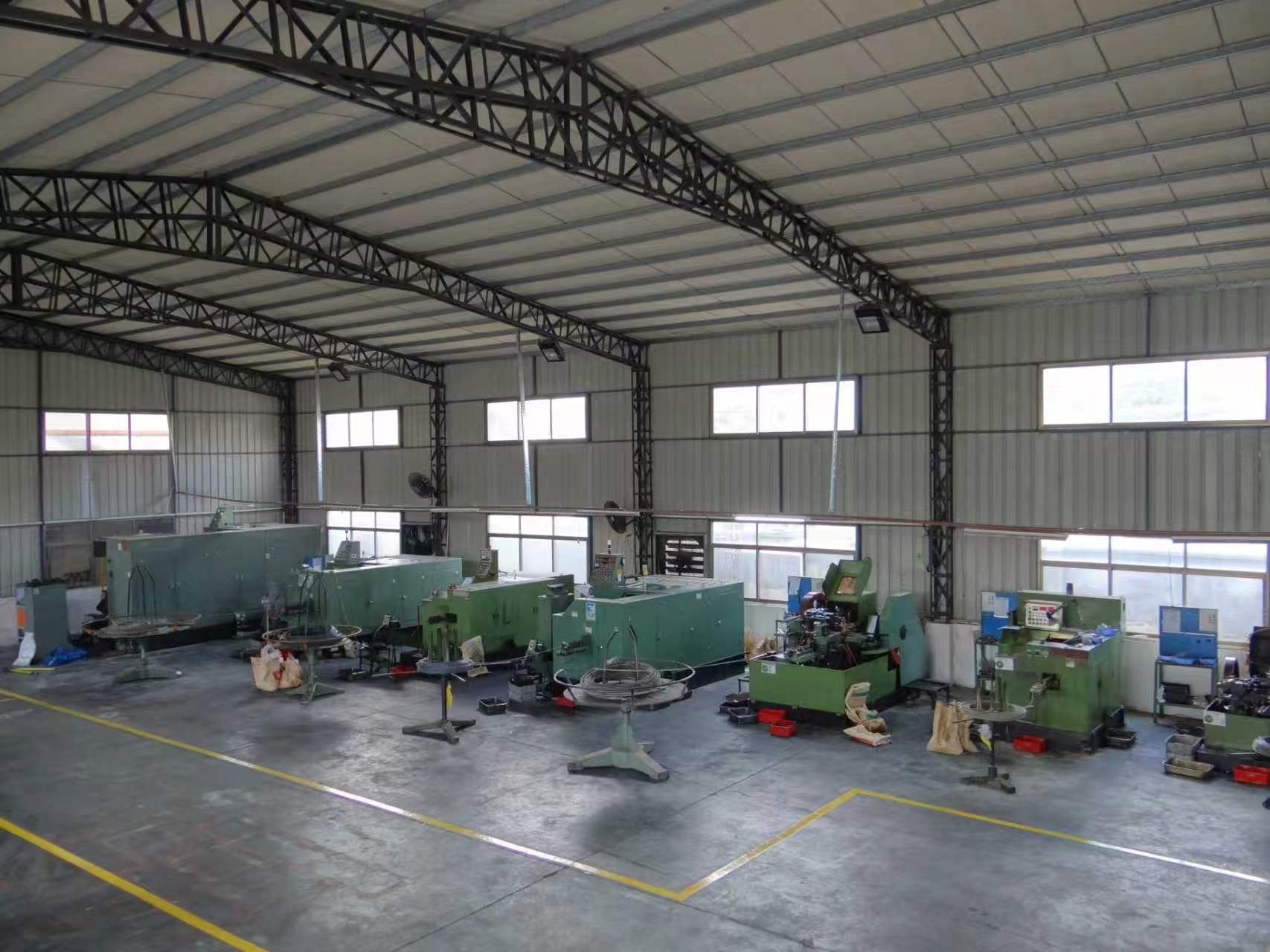
When engineers sit down to pick a material, corrosion resistance often grabs the spotlight—but it rarely tells the whole story. A stainless steel that laughs off salt spray might be too brittle for a load-bearing bracket or impossible to machine without specialized tooling. Toughness, fatigue life, thermal expansion, and even how the material behaves at the edges of its working temperature range can quietly determine whether a part survives its first year or fails in the field.
Cost and availability pull just as hard as technical specs. An exotic nickel alloy might handle aggressive chemicals beautifully, yet a six-month lead time or a price that doubles the project budget forces a rethink. Fabrication also enters the picture: some alloys weld cleanly while others crack, and a material that cannot be formed into the required shape is useless regardless of its corrosion rating. Weight, electrical conductivity, recyclability, and compliance with industry standards all add layers that separate a balanced choice from a one-note decision.
Prototype with Production Tolerances—or Pay for It Later
The gap between a prototype that works and a product that ships often comes down to one overlooked number: tolerance. When you machine, 3D print, or hand-fit every part, you’re building in precision that a production line will never match. That beautiful snap-fit becomes a warranty claim the moment the molding shop runs at the low end of the tolerance band.
Instead of waiting for tooling to expose the problem, pull real tolerance ranges from your suppliers before you cut the first prototype. Build a test fixture that intentionally varies critical dimensions from minimum to maximum material condition. If a latch binds at the low end, redesign the latch—don’t gamble on a supplier hitting nominal every time.
The cost curve is unforgiving: finding a fit issue in prototype costs a few hours of CAD and a reprint. Finding it in first articles costs new tooling and a slipped launch date. Prototype with the same slop the factory will live with, and you’ll ship with confidence instead of crossing your fingers.
Design for the Assembler, Not Just the CAD Model
A CAD model can look flawless on screen while being a nightmare on the floor. If the assembler has to reach around a bracket, hold a connector with one hand, and torque a screw with the other, the design has already failed. The real question isn't whether the parts fit together in software—it's whether a person can put them together without bruises, stripped threads, or a handful of leftover fasteners.
Designing for the assembler means thinking about access before fastening. Can a wrench swing? Can fingers reach the connector? Can the part be oriented wrong and still installed? Simple choices—like adding a chamfer to guide a shaft into a bore, color-coding left and right brackets, or moving a bolt hole half an inch away from a wall—change assembly from a ten-minute struggle into a thirty-second snap. These details rarely appear in the CAD model, but they show up immediately in assembly time, rework, and worker frustration.
The best designs make the correct assembly path the easiest one. Use asymmetric hole patterns so a cover can't go on backwards. Put the heaviest component at waist height, not overhead. Provide a flat surface for a fixture instead of expecting someone to balance a housing on a knee. When you design for the assembler, you're not just making a part that fits—you're making a process that flows, and that's what separates a drawing from a deliverable.
A Low Quote Can Hide Expensive Rework
When a bid lands far below the others, it can feel like an easy win. Yet that gap has to come from somewhere: cheaper materials, rushed labor, or fewer quality checks. Those shortcuts rarely stay hidden. They resurface as defects, missed tolerances, or poor finishes that demand correction after the initial work is already done.
The real cost of rework goes beyond the fix itself. Production stops, schedules slip, and teams get pulled away from new jobs to revisit old ones. Paying for replacement parts or extra labor at overtime rates can erase the original savings several times over. A quote that seemed 15 percent lower may end up costing 40 percent more once delays and corrections are counted.
Experienced suppliers build their pricing around the time needed for planning, inspection, and small adjustments along the way. If a bid does not reflect that, it is probably not covering the same scope of work. Asking why a price is unusually low often reveals more than the number itself.
Verify the Supplier's Quality Claims Before You Commit
A glossy spec sheet and a confident sales pitch won't keep your production line running when materials arrive out of tolerance. Ask for documented evidence from recent production batches—not just the certificate of analysis they hand over with a smile, but the raw test data behind it. If a supplier hesitates or offers only a summary, treat that hesitation as a data point in itself.
Watch for mismatches between what they claim and what their equipment can realistically deliver. A factory running ten-year-old injection molding machines probably isn't hitting the micron-level tolerances their brochure brags about. Ask to see maintenance logs, calibration records, or even a live video walkthrough of the quality lab. The goal isn't to catch them in a lie—it's to confirm they actually measure what matters, rather than relying on outdated inspection reports.
Before you sign anything, request samples from the same production line that will handle your order, not a hand-picked prototype from their engineering bench. Have those samples tested independently, and compare the results against the supplier's own numbers. The gap between those two sets of figures tells you more about their honesty and process control than any polished presentation ever will.
FAQ
Think through the exact load conditions, environmental exposure, and installation constraints first. A good manufacturer will ask about torque requirements, vibration, corrosion risks, and whether the fastener needs to be removed or is permanent. Skipping these details often leads to over-engineered parts or premature failures.
If you're modifying a stock fastener—cutting threads, welding, or adding coatings—it's usually cheaper and more reliable to go custom from the start. Standard parts work when loads and geometry are predictable, but custom solutions earn their keep in tight spaces, unusual materials, or when assembly speed matters.
It depends on the specific chemicals and temperature range. Stainless steel alloys like 316 or duplex handle many marine and chemical exposures, but nickel-based alloys or titanium might be necessary for extreme pH or high chlorides. Always share the exact environment—right down to cleaning agents—so the manufacturer can match the material properly.
Tighter tolerances drive up machining time and inspection costs, but they can prevent loosening, leaking, or misalignment in precision assemblies. Work with your supplier to identify which dimensions truly matter for function. Specifying tight tolerances on every feature wastes money without improving performance.
Underestimating the importance of head style and drive type. A part might handle the load perfectly, but if the installation tool can't reach it or the operator can't apply consistent torque, the whole assembly suffers. Always prototype with the actual tooling and access constraints, not just in CAD.
Choose a manufacturer that keeps common alloys and blanks in stock, and avoid unnecessary secondary operations like exotic finishes or unusual thread pitches unless they're critical. Sending complete drawings with clear tolerances and quantities up front also prevents back-and-forth delays.
Ask to see their inspection reports for a recent job similar to yours. Inquire about lot traceability, material certifications, and whether they do in-house testing for hardness, plating thickness, or torque-to-failure. A supplier who hesitates to share this data probably isn't controlling their process well.
Lightweighting is pushing more use of titanium and high-strength aluminum, especially in electric vehicles and aerospace. Also, fasteners with integrated sealing or locking features are gaining traction because they cut assembly steps. Some manufacturers now offer rapid prototyping with additive manufacturing to test thread forms before committing to full production.
Conclusion
A fastener that holds up fine on a calm afternoon can fail when the joint sees its peak load, so start by mapping out the harshest conditions the assembly will ever face—vibration, thermal swings, impact, or uneven clamp force. From there, material choice gets tricky because corrosion resistance alone won't save you. You also need to weigh hardness, fatigue strength, galling tendency, and how the fastener material interacts with the mating parts under real torque. One supplier's low-cost quote often misses the cost of rework when those mismatches show up later on the line or in the field.
Before committing to a production run, insist on prototypes made with the same tolerances and process steps as final parts; a quick 3D-printed mockup won't tell you how threads engage or whether installation torque stays repeatable. Equally important is designing for the person or robot doing the assembly—clear access, sensible drive types, and features that prevent cross-threading and dropped washers save more time than any five-point tolerance improvement. Finally, don't take a supplier's certifications at face value. Ask for batch-level test reports, cutting samples from the actual lot, or an on-site audit. A supplier who hesitates on those requests is likely hiding something your product can't afford.
Contact Us
Contact Person: Mason Lv
Email: [email protected]
Tel/WhatsApp: +86 13027998452
Website: https://www.peakfastentech.com