
Wholesale FR Fabric: Your Comprehensive Guide to Flame-Resistant Textiles
2026-07-03
When safety meets innovation, the textile industry ignites with possibilities. Whether you're sourcing for industrial workwear, military gear, or specialized protective clothing, understanding wholesale FR fabric is no longer optional—it's a necessity. Yet, navigating flame-resistant textiles can feel overwhelming: standards, materials, and cost-effective bulk purchasing all demand attention. Enter DROTEX, a name quietly reshaping the FR landscape with fabrics that don't just comply but outperform. In this guide, we’ll strip away the confusion and expose what truly matters when buying FR textiles at scale—from hidden performance metrics to the hard questions you should be asking suppliers. Ready to rethink fire-resistant protection?
Unpacking How Flame-Resistant Textiles Actually Work
Flame-resistant textiles don’t rely on a single trick—they combine chemistry, physics, and clever engineering to stop fire in its tracks. At the core, these materials either resist ignition or self-extinguish once the flame source is removed. Some inherently fire-resistant fibers, like aramids, get their protection from molecular structures that are incredibly stable when heated. They form a thick, insulating char layer that blocks heat transfer and starves the fire of fuel. Other fabrics are chemically treated to release flame-quenching gases or to catalyze char formation, essentially smothering the fire before it can spread.
The real magic happens when heat hits the fibers. Thermoplastic materials can melt and pull away from the flame, removing the fuel supply—but that comes with the risk of dripping molten material. In contrast, char-forming fabrics stay intact, creating a protective barrier. Modern flame-resistant workwear often blends multiple fiber types, balancing comfort, durability, and thermal protection. The char acts like a shield, slowing down heat transfer to the wearer’s skin, which can be the difference between a minor injury and a severe burn.
What many people miss is that flame resistance isn’t just about the fabric’s surface. The weave, weight, and even the garment’s design influence performance. Tight weaves limit oxygen flow, while looser structures might trap insulating air. Plus, even inherently flame-resistant materials lose their protective qualities if contaminated with flammable substances like oil or grease. That’s why industrial laundering and proper care are critical—a greasy flame-resistant shirt can ignite just as quickly as untreated cotton. The real-world performance depends on this combination of material science and user behavior.
Reading Between the Threads: Navigating FR Fabric Standards
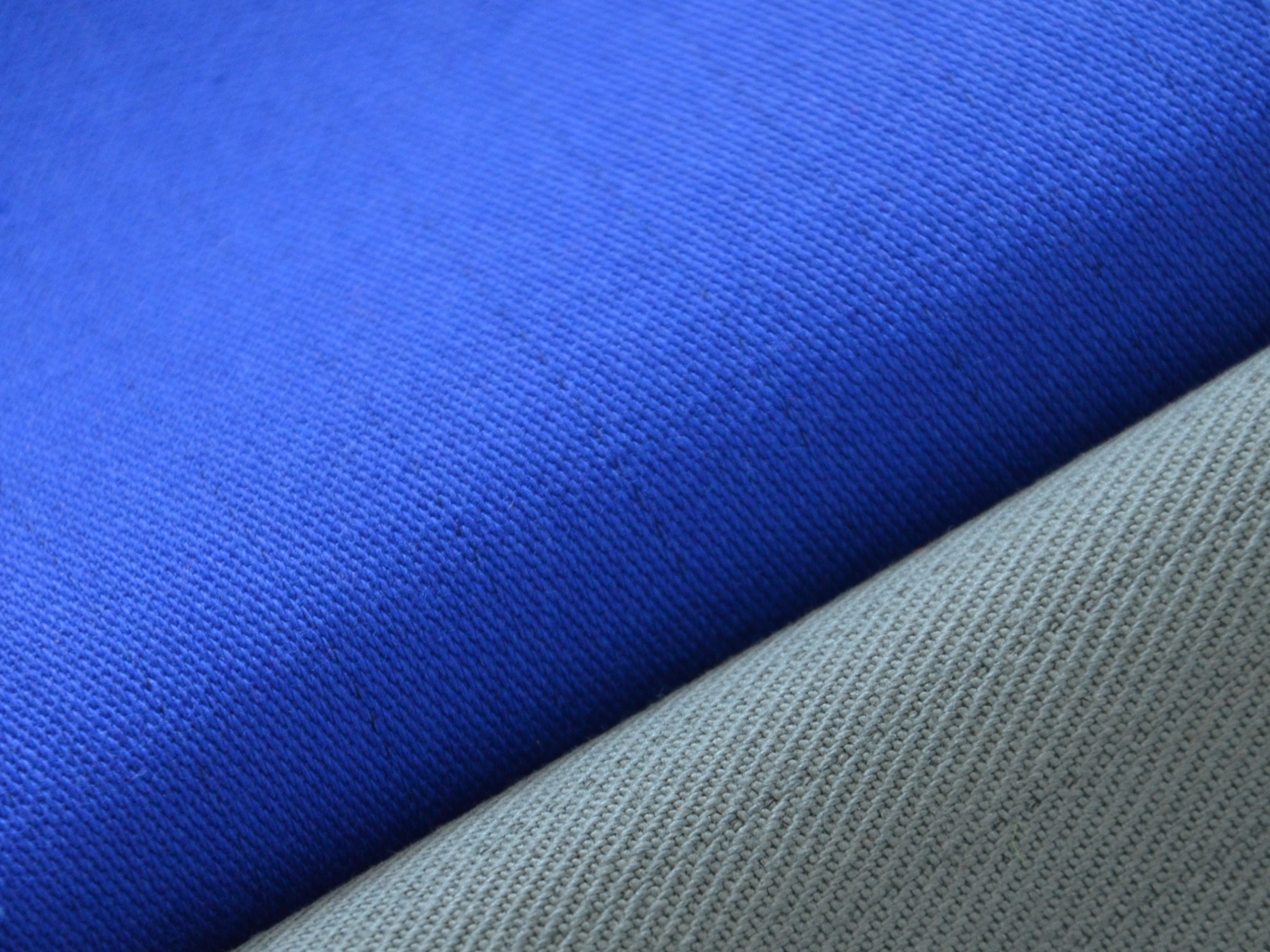
When you're sourcing protective apparel, the term "FR" gets thrown around a lot, but not every flame-resistant claim holds the same weight. The real story is hidden in the fine print of certification labels and test standards. A fabric might pass a basic vertical flame test, yet still fail to provide adequate protection in a real arc flash or molten metal splash scenario. That’s because true performance depends on a combination of factors, including fiber composition, fabric weight, and the specific conditions the garment is engineered for. Learning to decode these details can mean the difference between a close call and a catastrophic failure.
Standards like NFPA 2112 for flash fire or ASTM F1506 for arc-rated clothing aren’t just bureaucratic hurdles—they each address fundamentally different hazards. A shirt rated for electric arc exposure may not protect you in a hydrocarbon fire, even if both carry an FR label. Savvy buyers look past the broad marketing and focus on the specific test methods cited on the garment. For instance, the char length and afterflame duration reported in a vertical flame test give insight into how the fabric behaves when the heat source is removed, while thermal mannequin testing reveals predicted body burn percentages. These numbers tell a more honest story than any generic "FR" tag.
Even within compliant fabrics, real-world wear and laundering can quietly degrade protection. The flame resistance isn't just about a topical finish or inherent properties—it's about how those hold up after dozens of industrial washes, exposure to common chemicals, and everyday abrasion. Checking for re-certification after laundering and understanding the expected lifespan of the protective properties will help you maintain a safe workforce. Ultimately, staying safe means not just meeting a standard on paper, but knowing which standard applies to your specific risk, and how your gear ages over time.
From Cotton to Carbon: A Look at Modern FR Material Types
For decades, cotton treated with flame-retardant chemicals served as the backbone of protective workwear. The process involved impregnating the natural fibers with additives that would swell and form a char layer when exposed to heat, temporarily insulating the wearer. Yet this approach came with drawbacks: the protection diminished with each wash, the fabric was often heavy and breathability suffered, and the chemicals themselves raised environmental and skin-sensitivity questions.
The shift toward inherently flame-resistant synthetics changed the landscape entirely. Materials like aramids, modacrylics, and oxidized polyacrylonitrile fibers don’t rely on topical treatments—their flame resistance is built into the polymer chain. These fabrics remain protective throughout the garment’s life, offer superior durability, and can be engineered for better moisture management. More recently, blends incorporating carbon-based fibers have pushed the boundaries further, combining extreme heat tolerance with antistatic properties and lightweight comfort that cotton could never match.
Today’s FR material palette reflects a growing emphasis on total worker safety and comfort. Hybrid fabrics pair the natural feel of cotton with high-performance synthetic cores, while carbon fiber integration addresses hazards beyond flames—such as arc flash and molten metal splashes. The evolution from a simple treated cotton shirt to sophisticated multi-hazard protection mirrors a deeper industry understanding: modern flame resistance isn’t just about surviving a flash, but about enabling performance in the most demanding environments without compromise.
Matching FR Fabrics to Real-World Job Site Hazards
Choosing the right flame-resistant (FR) fabric isn’t just about meeting a standard—it’s about understanding the specific threats on your job site. A fabric that performs well in an arc flash scenario may offer little protection against a molten metal splash, and vice versa. Start by mapping out the daily exposure your team faces: electricians working on energized equipment need protection from intense heat and potential arc blasts, while foundry workers require fabrics that shed molten iron without igniting or shrinking. This hazard-first approach ensures the FR clothing you select aligns with the real risks, not just a generic checklist.
Fabric weight, weave, and fiber blend each play a role in how well a garment defends against site-specific dangers. For instance, a lighter-weight cotton-nylon blend might provide adequate arc rating for low-voltage tasks while keeping workers cool, but in environments with combustible dust, a tighter weave that resists particulate penetration becomes critical. Pay attention to how the fabric reacts under stress: does it char and self-extinguish quickly, or could it continue to burn after the heat source is removed? Look beyond the label and test real-world performance by reviewing incident reports or requesting fabric swatches for job-site trials. Small differences in construction can mean a major gap in protection when a hazard actually occurs.
Beyond initial selection, remember that FR fabric performance evolves with wear and laundering. A properly matched fabric can lose its protective qualities if it’s not maintained according to the manufacturer’s instructions, especially in harsh industrial settings. For example, fabrics exposed to frequent chemical splashes might degrade faster, requiring more frequent replacement or a switch to inherently FR fibers that retain their properties through repeated washings. Train your crew to inspect their gear for thinning, holes, or contamination that could compromise the FR barrier. Matching the fabric to the hazard is a continuous process, not a one-time purchase decision.
Why Cheaper FR Fabrics Can Cost You More Over Time
It’s easy to be tempted by the low upfront price of budget flame-resistant fabrics, but the real expense often surfaces months or years down the line. These cheaper materials typically rely on topical chemical treatments that wash out after repeated industrial laundering, leaving workers unprotected and forcing you into a relentless cycle of replacement. What looked like a smart, cost-conscious decision quietly turns into an ongoing drain on your safety budget, requiring more frequent purchases, more downtime for garment swaps, and the added headache of tracking which uniforms are still compliant.
Beyond the recurring procurement costs, there’s a hidden risk of non-compliance that can carry steep fines and legal exposure. When FR properties degrade unevenly, you may unknowingly equip your team with gear that no longer meets industry standards—think NFPA 70E or ASTM F1506. An initially cheap fabric often lacks the durability to withstand tough work environments, leading to rips, abrasion, or shrinkage that further shortens its lifespan. Suddenly, that ‘bargain’ fabric is costing you far more than the premium alternative, not just in direct expenses but in compromised safety and operational efficiency.
Contrast this with inherently flame-resistant materials or high-quality treated fabrics engineered for longevity. Though the per-unit cost is higher, these solutions maintain their protective qualities through hundreds of industrial washes, drastically reducing the replacement frequency. They also tend to offer better comfort and mechanical resilience, which can improve worker compliance and morale. When you calculate the total cost of ownership—factoring in garment lifespan, laundry intervals, and risk mitigation—the upfront savings of a cheaper fabric evaporate, leaving you with a higher long-term bill and a false economy that few companies can afford.
Extending the Life of Your Flame-Resistant Garments
The way you launder and store your flame-resistant clothing plays a bigger role in its longevity than most people realize. Harsh detergents, fabric softeners, and high heat can gradually break down the protective fibers, even if the garment looks fine on the outside. Stick to mild cleaners, skip the bleach, and turn the items inside out before washing to reduce surface abrasion. Air drying or using a low-heat tumble cycle prevents unnecessary shrinkage and fiber stress that often goes unnoticed until it's too late.
Small repairs done immediately can prevent a garment from being retired early. A loose seam, a small tear, or a missing button might seem minor, but in a high-risk environment, those flaws can compromise protection and lead to the entire piece being discarded. Keep a basic repair kit on hand and address issues as they come up rather than letting them pile up. For more extensive damage, work with a service that specializes in FR garment repair—they can often replace panels or closures without affecting the overall integrity of the clothing.
Pay close attention to how the gear fits and feels over time. Fabrics that have lost their shape, become thin, or start feeling stiff after washing may be silently degrading. Regular inspections under good light can reveal thinning areas, discoloration, or chemical residue that isn't obvious at a glance. When you rotate multiple sets and adhere to a consistent care routine, you spread out the wear and are far more likely to spot a problem while there's still time to fix it.
FAQ
FR fabric, short for flame-resistant fabric, is engineered to self-extinguish once the ignition source is removed. Unlike regular textiles that can continue burning, these materials are treated or inherently designed to resist catching fire and to limit the spread of flames. They work by forming a protective char layer that insulates the underlying skin, buying precious seconds to escape a hazard. Some fabrics have the flame resistance built right into the polymer chains, while others are chemically treated to achieve the same effect.
Absolutely, stocking up on FR fabric through wholesale channels can be a game changer. It drives down the per-yard cost significantly, which is handy if you're outfitting a team or running a production line. Beyond price, you get consistency in quality and color across large batches, and reliable inventory means you won't get caught short when demand spikes. Just make sure you're dealing with a supplier that provides traceable certifications.
You'd be surprised how many fields rely on this stuff. Obviously, firefighters, welders, and electricians are at the top of the list, but it's also a must in oil and gas, chemical processing, and even motorsports. Lately, there's been a surge in demand from the utility sector and renewable energy installations. Basically, any environment with a flash fire or arc flash risk takes FR fabrics seriously.
Gone are the days when FR meant heavy, stiff, and scratchy. Modern flame-resistant textiles come in lightweight, breathable blends—think cotton-rich mixes with a soft hand, or high-tech synthetics that wick moisture. Many are designed for all-day wear, so you'll find options with stretch, colorfastness, and even anti-odor finishes. Comfort is no longer a trade-off; you just need to specify what you're after.
Inherent FR fabrics have the flame resistance baked into the fiber itself—aramids and modacrylics are classic examples. Treated FR fabrics, on the other hand, start as regular fibers like cotton or cotton-nylon blends and are finished with fire-retardant chemicals. Inherent ones tend to hold up longer through laundering and wear, but treated ones can be more economical upfront. The choice often comes down to the specific hazard, budget, and how frequently the garments will be washed.
Don't just take the supplier's word for it. Look for trusted certifications like NFPA 2112 (for flash fire), ASTM F1506 (for arc flash), or EN ISO 11612 in Europe. Request a sample and check the label for third-party testing marks. A reputable wholesaler will happily share test reports and provide ongoing batch compliance. It's also wise to ask about the fabric's arc rating (ATPV or EBT) if that's relevant to your use case.
Most suppliers offer cut yardage or sample packs, sometimes at a nominal fee that gets credited back on your first order. It's the smartest way to touch and feel the fabric, run a burn test if needed, and check how it sews. When you reach out, mention you're evaluating for potential bulk purchase—this often opens the door to more attentive service and technical guidance.
Care can make or break the protective performance. Generally, wash in warm water with a mild detergent, avoid fabric softeners and bleach (they can coat or degrade the fibers), and tumble dry on low or hang dry. Hard water can leave mineral deposits that interfere with flame resistance, so soft water is ideal. For industrial settings, check if the fabric is certified for industrial laundering, as home machines might not cut it for heavily soiled gear.
Conclusion
Understanding how flame-resistant textiles actually function is the first step toward making an informed wholesale purchase. Rather than repelling fire, these materials are engineered to self-extinguish once the ignition source is removed, buying critical seconds to escape injury. The choice of base fiber—whether treated cotton that chars and shields the body, or inherently non-flammable synthetics like aramids and modacrylics—shapes performance, comfort, and cost. Carbon-based options and advanced blends further expand the spectrum, each suited to specific thermal hazards. Behind every bolt of fabric sits a web of industry standards—NFPA 2112, NFPA 70E, and others—that dictate testing methods and minimum protection levels. Knowing which standard applies to your workforce ensures compliance isn't left to guesswork.
Matching the right FR fabric to real-world job site hazards is where theory meets safety. Electric arc flashes demand materials that resist ignition and break-open, while molten metal splash calls for shedding properties. Overlooking these nuances can turn a budget-friendly bolt into a liability, because cheaper fabrics often sacrifice durability, launderability, and consistent protection—costing more in replacement and potential injury. Extending the life of your garments through proper care, such as avoiding fabric softeners that coat fibers and following repair protocols for minor damage, preserves both the protective qualities and your bottom line. In the wholesale FR market, smart buyers weigh upfront pricing against long-term resilience, recognizing that the truest cost is measured over the garment’s entire life cycle.
Contact Us
Contact Person: Sandy
Email: [email protected]
Tel/WhatsApp: 86150 8310 5120
Website: https://www.frdrotex.com